

A new technique: Milling an additive manufacturing product
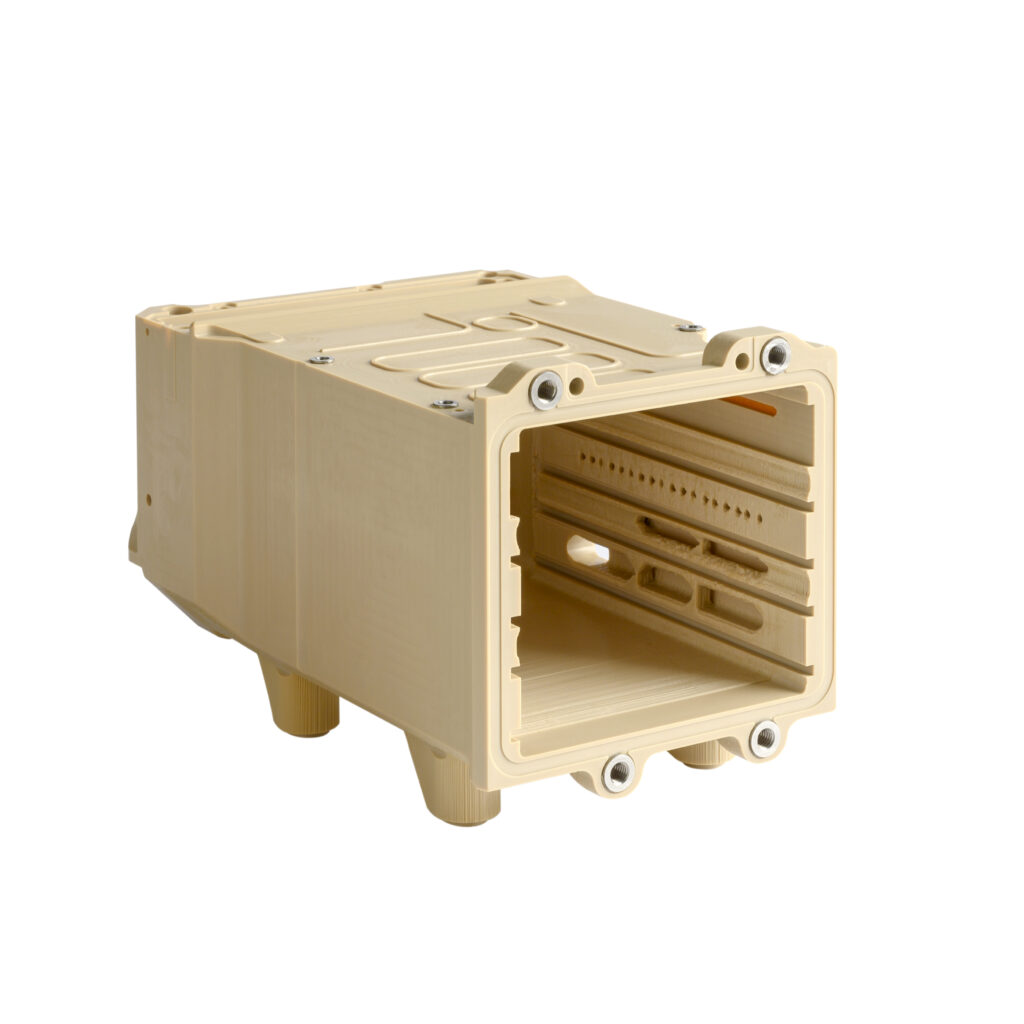
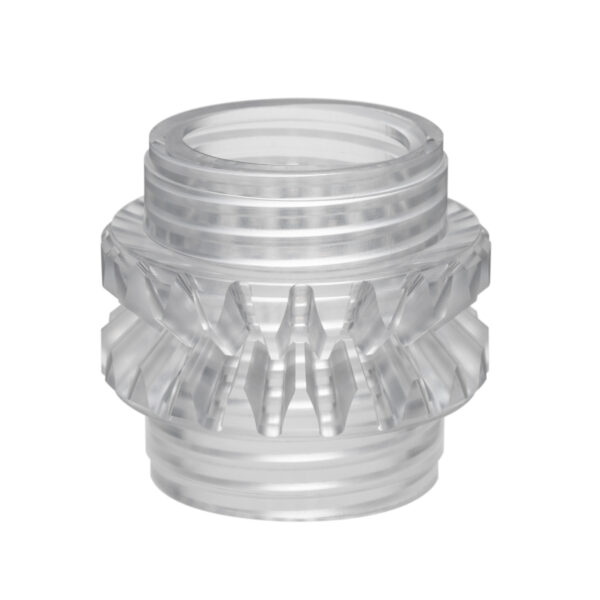
5-Axis milling of additive manufacturing products
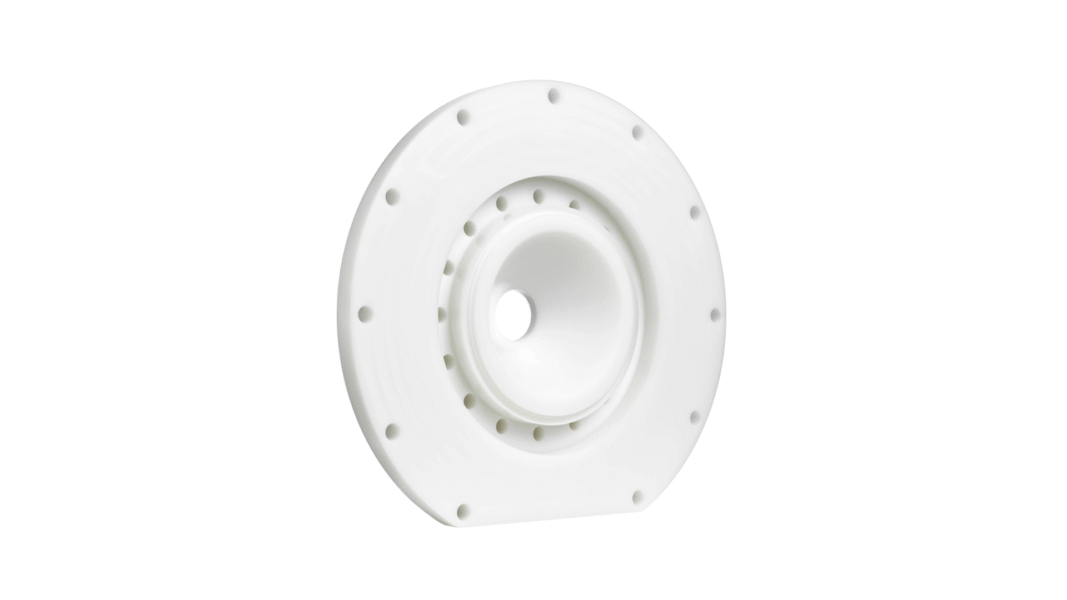
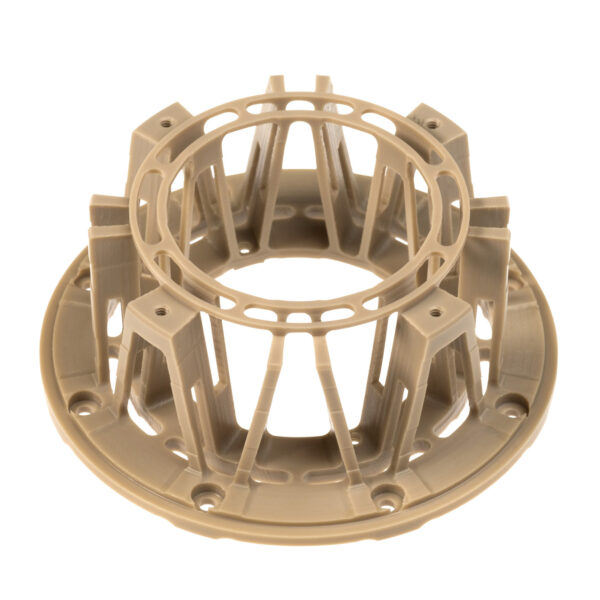
About 2.5 years ago, we were approached by a customer asking if we could also manufacture a certain titanium product from PEEK (Polyetheretherketone), which initially seemed like an impossible task.
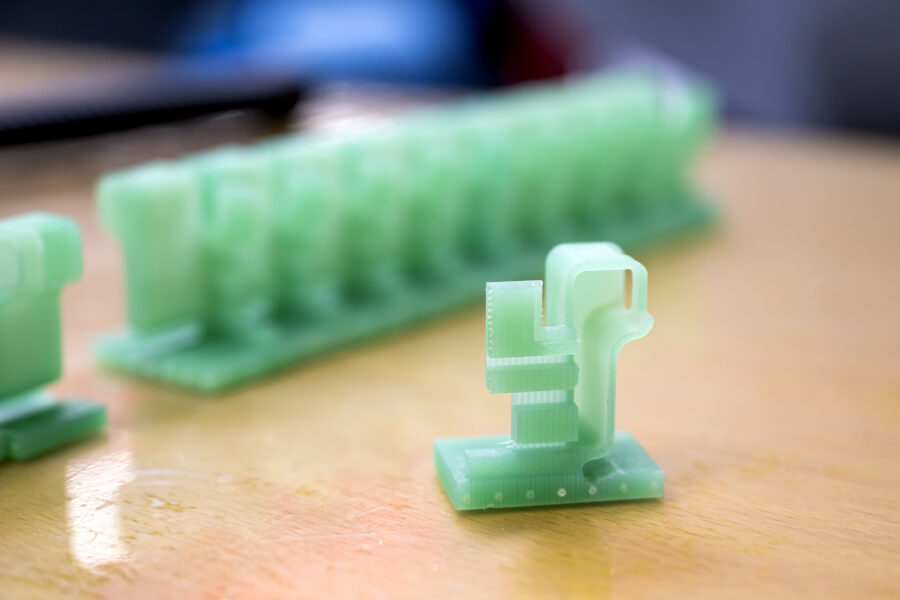
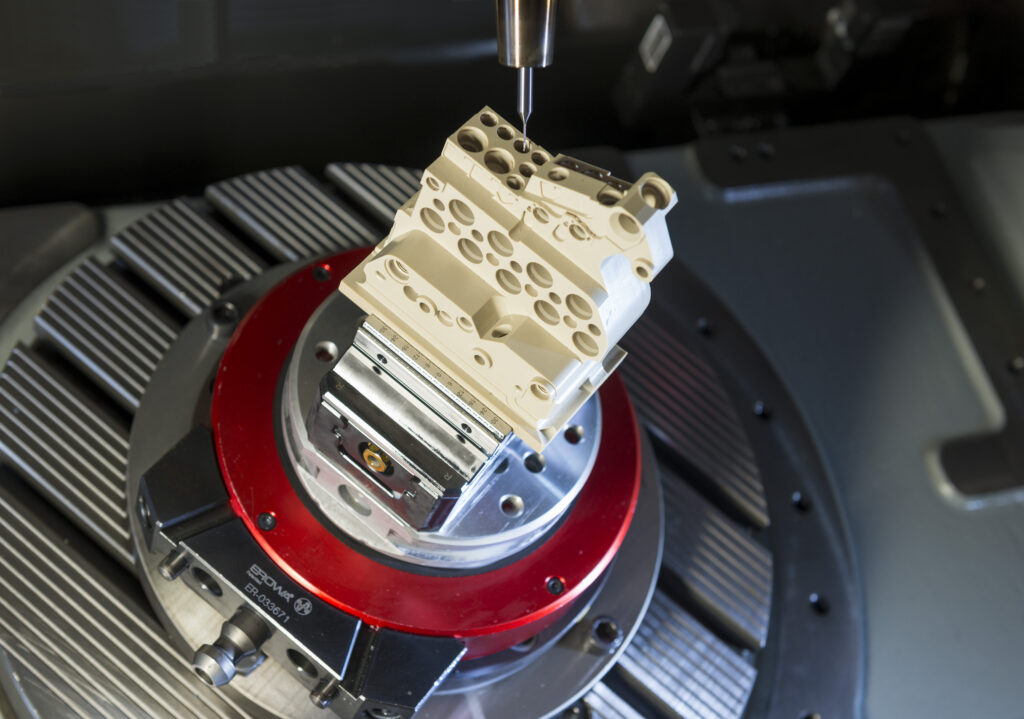
Such a development process often involves many challenges, where we have to push our limits and learn new skills. At BKB Precision, for example, we were faced for the first time with the task of post-processing a product produced by additive manufacturing using a 5-axis milling machine to meet very precise specifications.
Moreover, during this development process we also learned how to place inserts with a very high frequency (20,000 hertz) in a product, which contributes to better adhesion and can be essential due to thin wall thicknesses.
We have since worked with the customer to make this job a success and now produce several of these products every year.
The challenge of new technology
One challenge when turning or milling a 3D-printed product is that not all products have exactly the same dimensions. This leads to tight tolerances, especially when some parts are a millimeter or even a tenth of a millimeter longer or shorter. Normally we would then mill off that millimeter, but in this case that is not possible because it would make the interfaces too thin.
Nevertheless, at BKB Precision we managed to find a method to accurately post-machine 3D printed products so that they meet the specifications provided by the customer.
Unique collaboration
Within BKB Precision, we take short lines of communication, transparency, openness and honesty for granted, a culture that also suits the participants within this project. This collaborative culture ensures good communication, preventing obstacles and keeping development cycles short.
Because the product is already in use several times, more opportunities for improvement are still revealing themselves. The search for achieving the optimum of this product translates into changes in the specifications. BKB Precision makes every effort within the project to adopt those changes and translate them into the right machining strategies. With the ultimate goal of delivering a unique and relevant part for the right application.



Need advice or more information?
How to Identify the Type of Plastic?
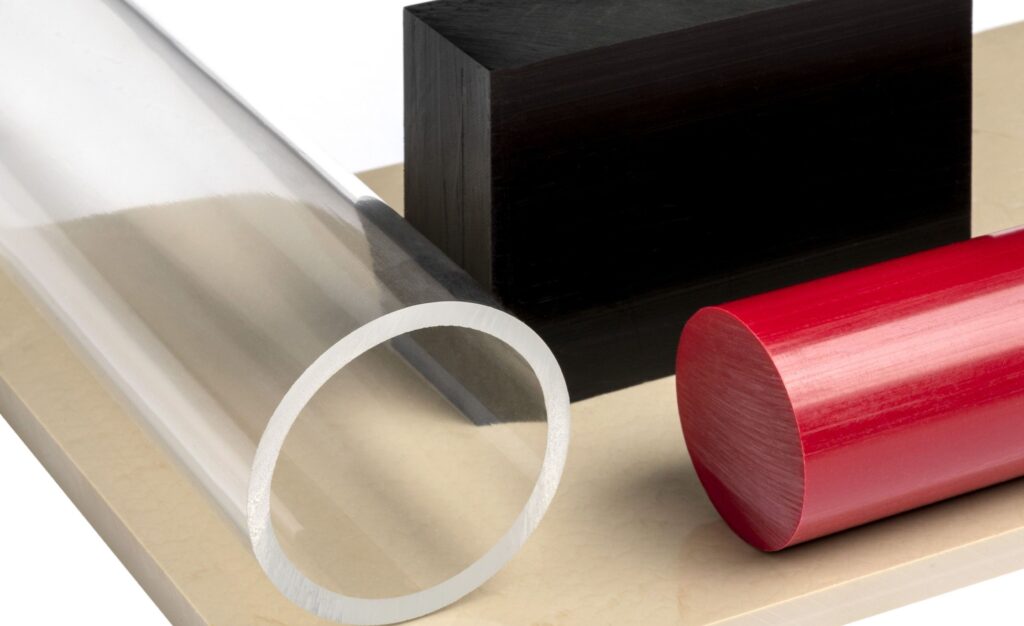
Recognizing Plastic Characteristics
There are several characteristics by which you can identify the correct type of plastic. Think about:
- Flammability
- Light Transmittance
- Fracture Pattern
- Thermal Behavior
- Mechanical Properties
- Electrical Conductivity
- Solubility
Identifying the Type of Plastic
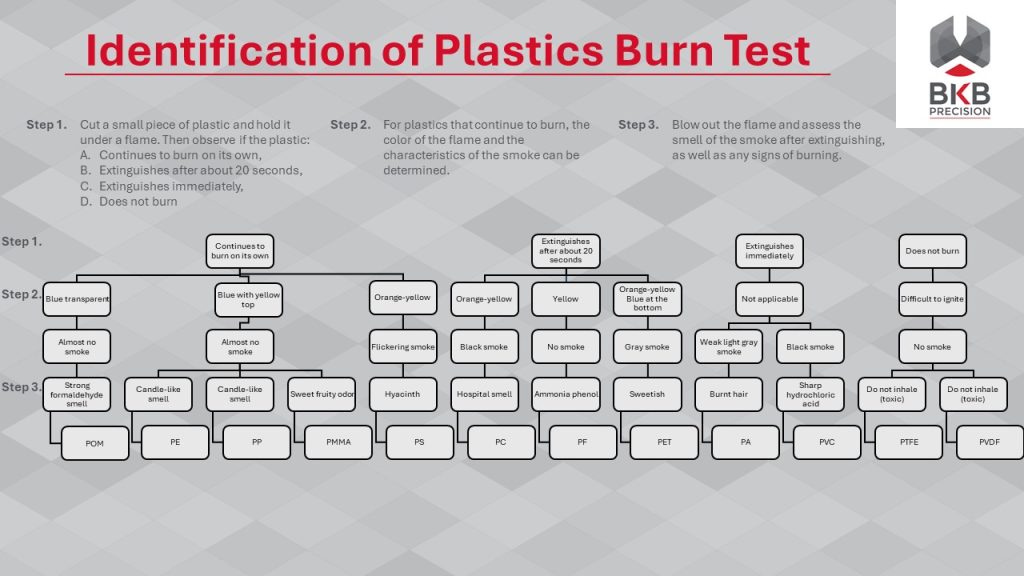
Not all the aforementioned characteristics for identifying plastics are easy to test. If we really cannot determine the type of plastic, at BKB Precision, we use the burn test to identify the correct type of plastic. We use the following chart for this test:
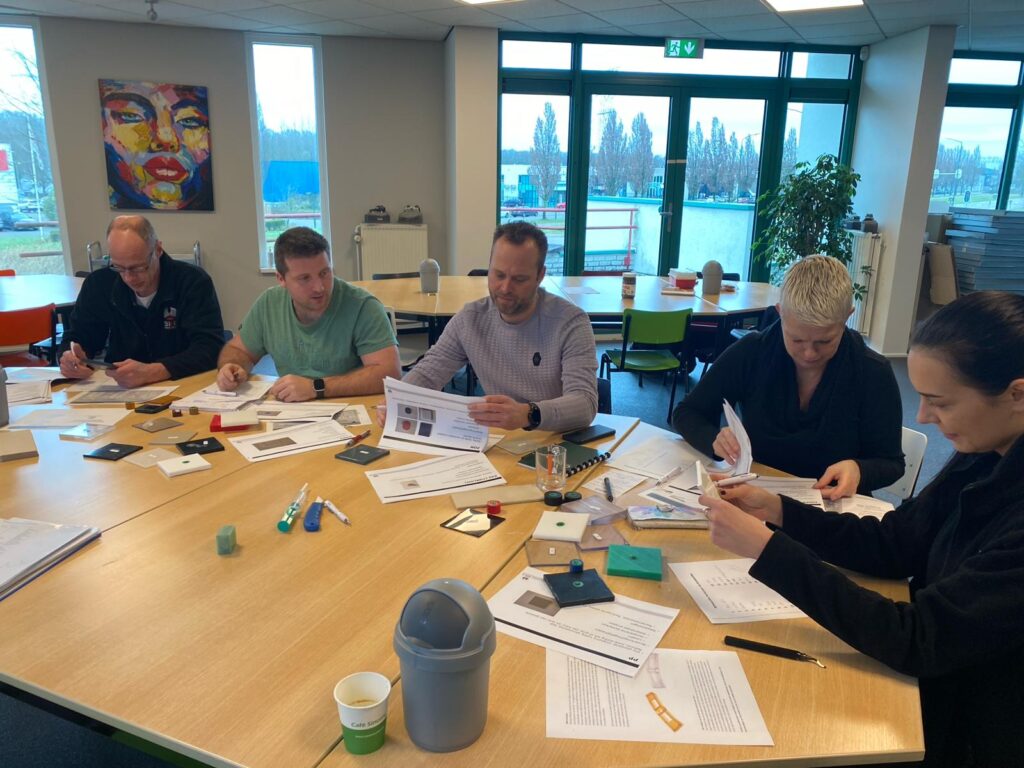
Plastic Material Identification Course
At BKB Precision, recycling and separating plastics play a major role in our overall sustainability approach. By correctly identifying plastics, they can be properly sorted and recycled. Incorrect separation of materials can cause disruptions in the recycling process, resulting in recycled materials still having to be discarded.
Finally, identifying plastics contributes to greater awareness and responsibility towards the environment. This allows for conscious choices that contribute to a more sustainable future.
The Role of Plastic Identification in Recycling
At BKB Precision, recycling and separating plastics play a major role in our overall sustainability approach. By correctly identifying plastics, they can be properly sorted and recycled. Incorrect separation of materials can cause disruptions in the recycling process, resulting in recycled materials still having to be discarded.
Finally, identifying plastics contributes to greater awareness and responsibility towards the environment. This allows for conscious choices that contribute to a more sustainable future.
Need advice or more information?
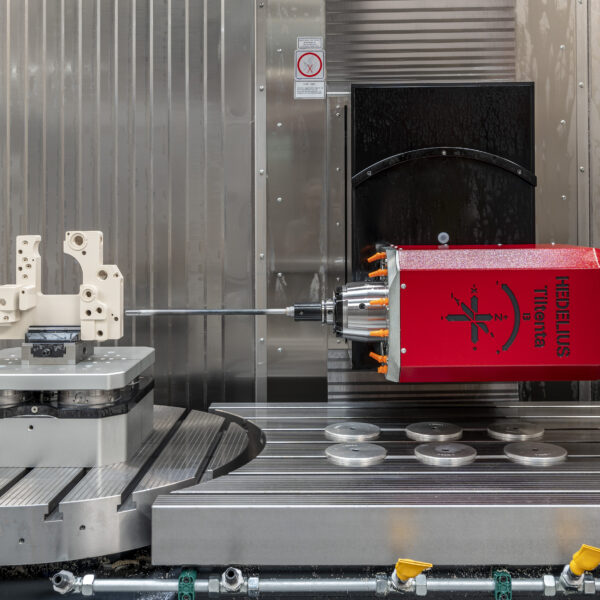
The Influence of Environmental Factors on Plastic Machining Processes and Product Quality
Environmental Factors and Specific Types of Plastics
In the world of plastic machining, understanding environmental factors is vital for delivering high-quality products. Different types of plastics respond uniquely to environmental factors, affecting their performance and stability. Below, we discuss some commonly used plastics:
- PEEK: This type of plastic can perform under extreme conditions. It is almost unaffected by external environments, though extremely high humidity over time can reduce its mechanical properties.
- Polycarbonate: Generally, polycarbonate is resistant to temperature fluctuations. However, prolonged exposure to high temperatures can cause this plastic to deform, and long-term exposure to humidity can lead to delamination.
- PE: PE is known for its excellent resistance to moist conditions, making it ideal for outdoor applications. However, the material is sensitive to high temperatures, which can cause softening and deformation.
- POM: Prolonged exposure to UV light can lead to degradation and discoloration of this material.
Choosing the right material for specific environmental conditions is essential to ensure optimal performance in plastic machining. At BKB Precision, we are always open to advising you on the right plastic!
The Role of Temperature in Precision Plastic Machining
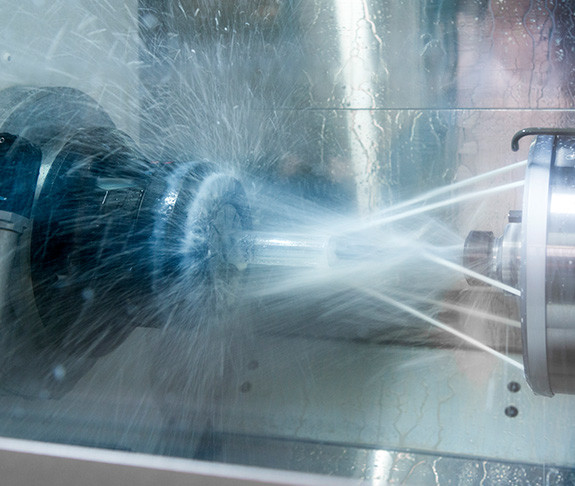
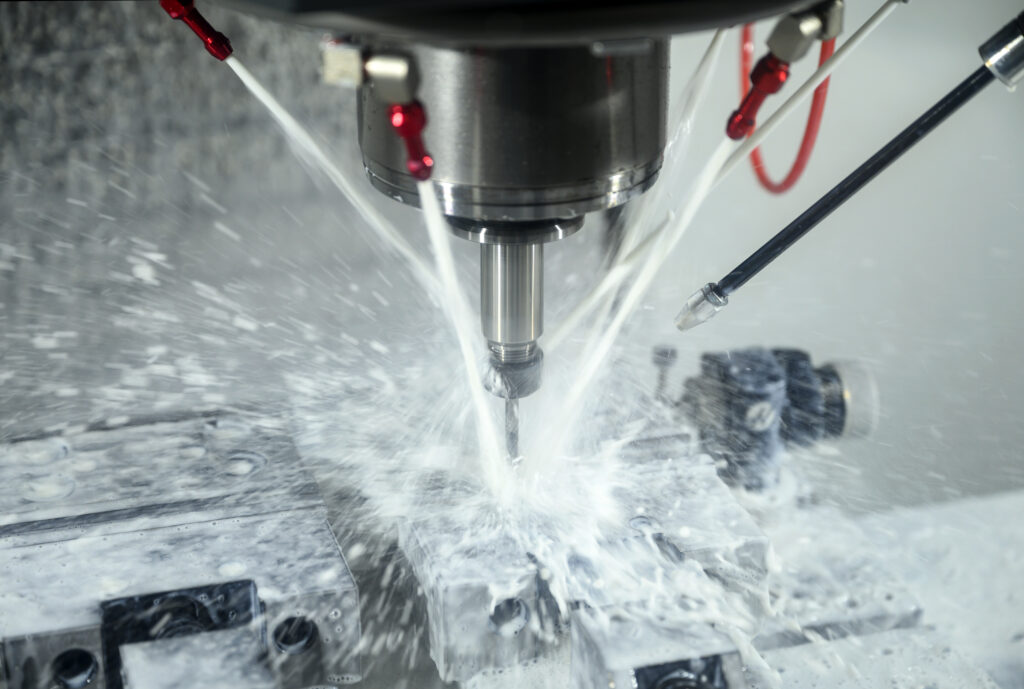
Temperature plays a crucial role in achieving precision in plastic machining. Different temperatures affect the physical properties of plastics, such as expansion, contraction, and thermal deformation. Effective cooling systems, ranging from air and water to special coolants, are essential to prevent overheating and ensure process stability.
Quality Controls Under Varying Environmental Conditions
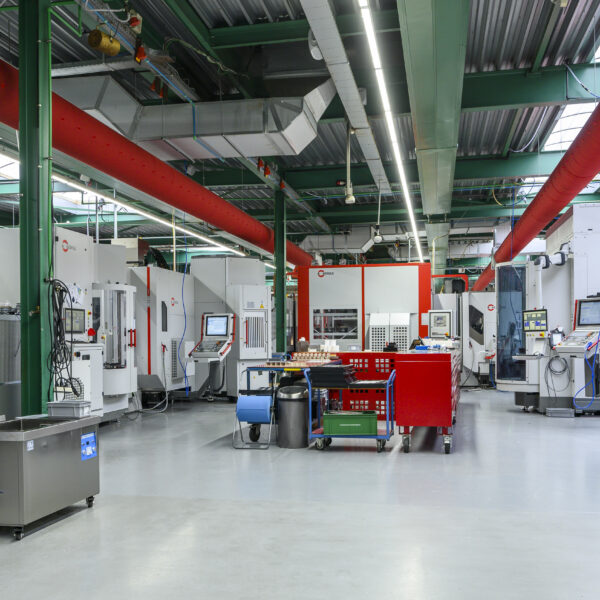
Maintaining consistent product quality in plastic machining requires thorough control of environmental conditions, such as temperature and humidity. At BKB Precision, we have a climate-controlled hall where the temperature is kept constant. This minimizes the impact of varying environmental conditions on quality controls. Accurate monitoring and measurement of these factors are essential to detect deviations in time and take corrective actions.
Need advice or more information?
The Power of the Hermle C52
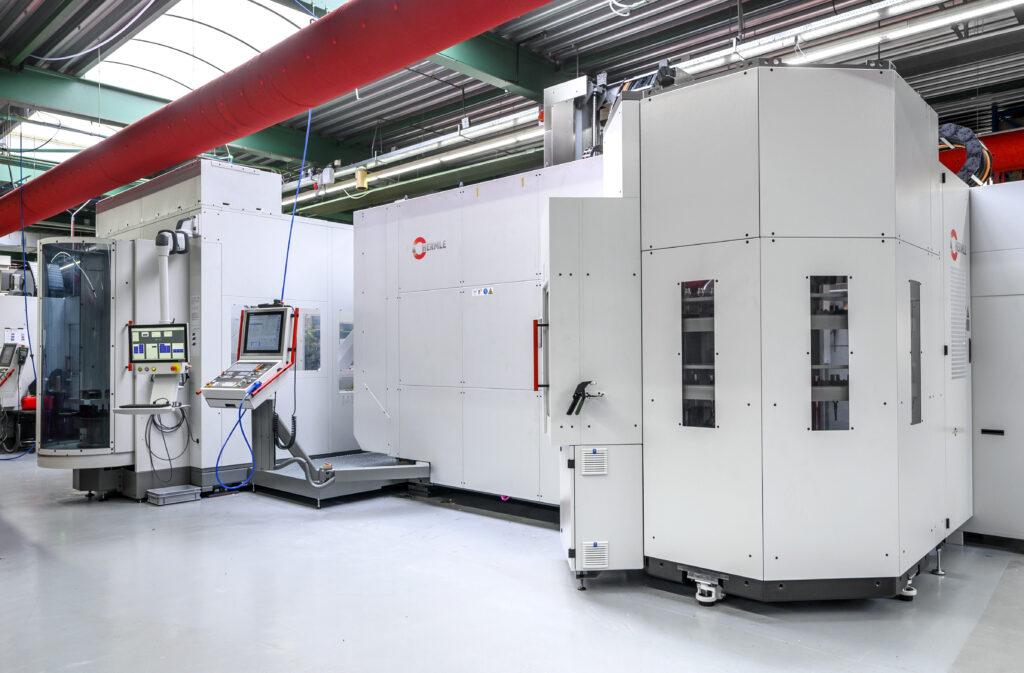
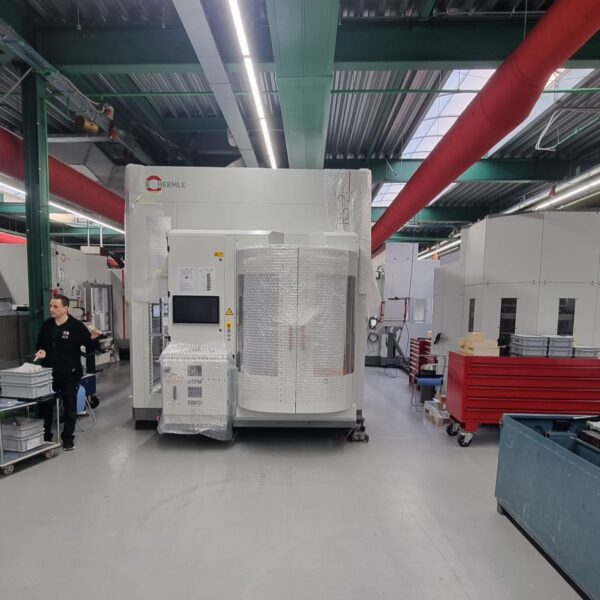
The Hermle C52
Recently, at BKB Precision, we have embraced the power of advanced precision machining with the Hermle C52. This advanced CNC machine elevates precision machining to a higher level and unlocks boundless possibilities in plastic machining.
Seamless Collaboration with Robotics
The collaboration between the Hermle C52 and a robot at BKB Precision significantly enhances production efficiency and versatility. While the Hermle, with its high precision and powerful machining performance, tackles complex operations, the robot ensures seamless material feeding. This enables uninterrupted long production cycles, opening the door to 24/7 production where our colleagues are hardly needed.
Advantages of the Hermle C52
The Hermle C52 raises the bar for precision machining, as we have realized at BKB Precision. With a well-balanced design and its leading features, there’s little this machine cannot produce. Some benefits of the Hermle C52 include:
- An advanced control system
- For plastic products up to 2000 kg
- 60 tool magazine slots
- Eco-conscious efficiency
- Future-oriented technology
- Minimization of errors
Future-Focused Innovation
The Hermle C52 represents not only current technological excellence but also a promising future of ongoing innovation. The machine continues to improve and evolve with advanced updates. Businesses can grow with these innovations, staying aligned with the latest advancements in manufacturing, and can rest assured that the Hermle C52 is a sustainable investment for the future.
What Can the Hermle C52 Do for You?
The possibilities of the Hermle C52 in collaboration with a robot are diverse. This machine offers the capability to produce highly complex products with high precision. Are you curious about what this machine can specifically bring to your business? Feel free to get in touch with one of our specialists for a consultation.
Need advice or more information?

The climate-controlled hall at BKB Precision
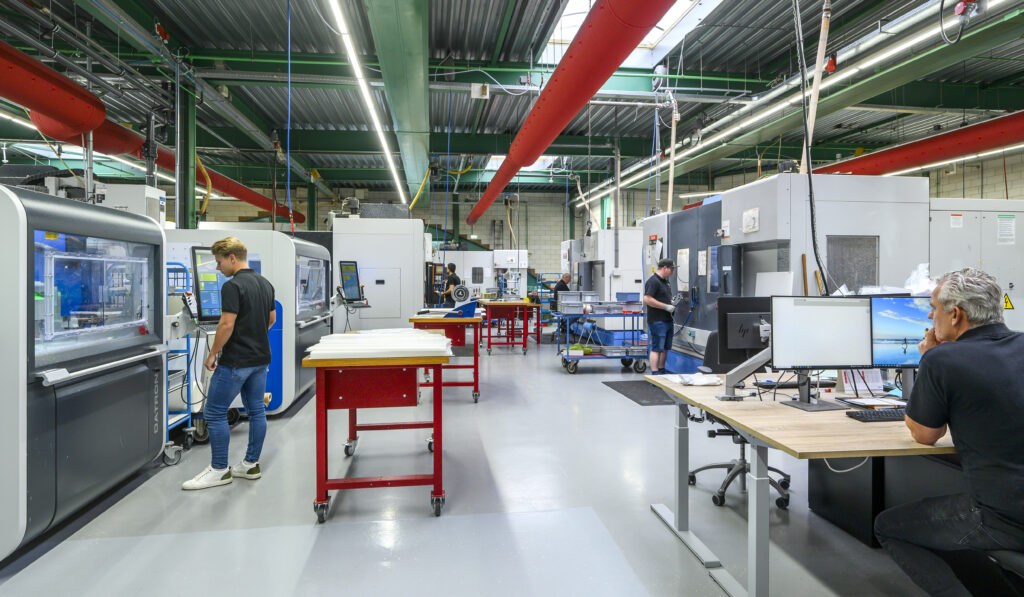
The advantages of an air-conditioned hall
Having a climate-controlled hall offers a number of advantages in the field of plastics processing. One important advantage is that the dimensions of the plastic products are not affected by temperature variations. If these were to be affected by, for example, an overly warm hall, we at BKB Precision would not be able to deliver the precision and accuracy that we currently deliver.
The temperature in our hall is carefully controlled and maintained at a constant level. This ensures the material stability of the plastic product during the processing process. As a result, the product cannot shrink, expand, or deform, so nothing can go wrong during the processing of the plastic.
Our commitment to quality
At BKB Precision, our commitment to the quality of our products extends to every aspect of our work. In addition to our climate-controlled hall, we also have the latest measuring technologies and methods at our disposal to ensure that a product meets all customer requirements. In combination with our machines, we can therefore achieve the most complex shapes, tight tolerances, and refined surface finishes.
Unique requirements
Of course, every customer has their own unique requirements and wishes. Our climate-controlled hall enables us to easily meet these requirements in most cases. This applies to both single-piece production and serial production.
Need advice or more information?
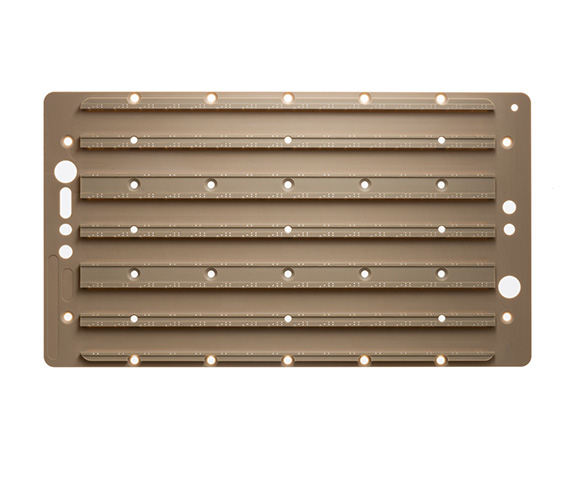
The top 5 durable plastics
Durable plastics
Wear resistance can be put into two categories: durability and robustness. Or to be more precise: low friction combined with a long lifespan, which is important for bearings, for example. Wear-resistant plastics have several advantages over metal or bronze equivalents, such as high dynamic load capacity, good dry-running properties, weight, chemical resistance, and cost price.
The top 5 wear-resistant plastics and their characteristics are listed below.
1. Polyamide (PA)
Polyamide (PA), also called Nylon, is one of the most commonly used wear-resistant plastics. It is widely used and can be universally applied. For example, PA is extensively used in the production process for manufacturing wear-resistant plates, gears and bearings. It has a relatively high rigidity, is excellent for heavy dynamic loads, and has good vibration-damping capacity. Its temperature range is between -40° to +100°C. Polyamide will not deteriorate quickly and most variants can withstand high temperatures.
Because PA is available in many variants with specific additives, this is a widely applicable material for your application. The most commonly used variants are:
- PA6G
- PA6 MoS2
- PA12
- PA glass-filled (PA6 GF30)
- PA carbon-filled (PA6 CF20)
- PA oil-filled
2. HMPE (Werkstoff S)
High Molecular Polyethylene or HMPE is widely used in the food industry. This wear-resistant material with a relatively low coefficient of friction can be supplied with a food safety declaration: this means it is safe to use in processes in which it comes into direct contact with foodstuffs.
Moreover, HMPE does not absorb moisture like PA/Nylon, for example. However, when processing it for an application, care should be taken that the effects of friction do not result in excessively high temperatures (< 80°C).
There are different variants of HMPE, including HMPE 500 and HMPE 1000. The latter is well known under the brand name ‘Werkstoff S’ and is even more wear-resistant than HMPE 500. That means it can be used even under the most demanding conditions and at extremely low temperatures – as low as -200°C. In addition, HMPE 1000 is almost immune to other materials adhering to it.
3. POM
Like Nylon or polyamide, POM is a widely used, wear-resistant plastic. The material is also known as Delrin and Polyacetal. POM is much less wear-resistant than Nylon and Arnite, which means it is mainly used for manufacturing high-precision parts which do not have to undergo high stress.
POM is lightweight, dimensionally stable, does not discolour, and is well-suited for making accurate parts. However, it has limited wear resistance, so this material should ideally be seen as a normal construction plastic. The most commonly used POM variants are:
- POM-C
- POM with 10% PTFE
- POM MoS2
- POM ELS (electrically conductive)
4. PETP (Arnite)
Polyethylene terephthalate, also known as PETP plastic or Arnite, is less well-known but certainly not of lower quality or less applicable. Because PETP is not only wear resistant, creep resistant and hard but also absorbs very little moisture, it is highly suitable for applications in which complex parts are combined with dimensional accuracy and surface quality of the strictest requirements.
When processing PETP for an application, it should be taken into account that the extreme hardness of the material makes it more brittle, which means that impact loads must be avoided. Up to 110°C, it is temperature resistant for a long duration and can be used in the food industry.
5. PEEK
Polyether ether ketone (PEEK) is a high-performance thermoplastic material which is an excellent choice for demanding applications and has excellent wear resistance. It is resistant to high temperatures, chemicals, and radiation. PEEK can be used continuously at operating temperatures of up to 250°C. Furthermore, its application processing can be done in hot water or steam without compromising its physical properties.
PEEK is easy to machine and has exceptional strength, dimensional stability, and rigidity. Due to its high-performance capabilities, PEEK is used in many challenging environments in the medical, nuclear, chemical processing, and aerospace industries.
There are also various types of PEEK on the market which have their composition modified for specific applications. The most commonly used variants are:
- PEEK BG (Special bearing quality)
- PEEK TF 10 (very good sliding and abrasion resistance properties)
- PEEK glass-filled (PEEK GF 30)
- PEEK carbon fibre filled (PEEK CF 30)
Need advice or more information?
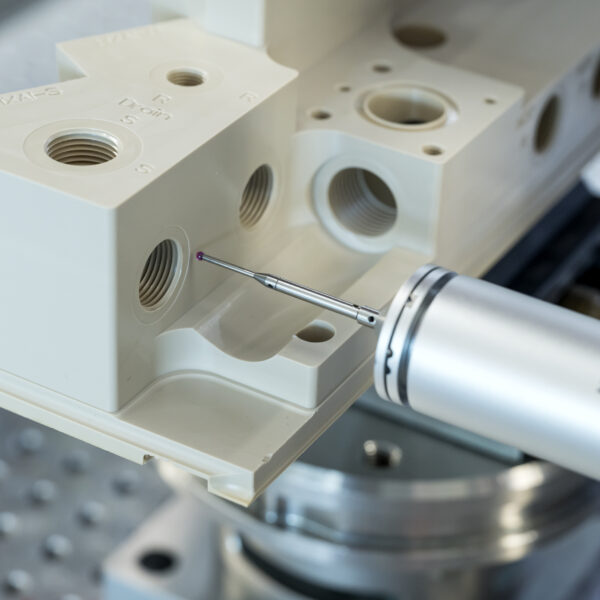
BKB Precision works with High QA
The purchase was necessary because we wanted to continue meeting the evolving quality standards of our customers. This means we can provide high-quality products in the high-mix, low-volume, high-complexity segment at a competitive price.
With High QA, we can:
- extract information from 2D drawings and automated ballooning. With this information, we can create a complete list of properties for the component;
- generate inspection plans automatically using the extracted data. This applies to both the ongoing process and the final inspection;
- automatically extract the measured values generated and add them manually if necessary;
- analyse results in real time and monitor control limits;
- do most of the internal quality control process automatically and share the resulting data with customers and partners in our supply chain.
Benefits of High QA
In time, measurements obtained using High QA will be made digitally available to the company and customers anytime and anywhere. Data from the automated quality control process can therefore be easily shared with partners in the supply chain, which will minimize manual, labour-intensive tasks.
The measurements can also be analysed, so that developments and performance issues can be anticipated in time and errors avoided or eliminated.
BKB Precision is at the forefront of this trend in generating measurements digitally in the plastics machining industry.
Statistical Process Control will become increasingly important in the future
To monitor the quality of the production process in the industry, Shewhart developed various statistical methods which led to the development of the SPC field.
Statistical Process Control (SPC) instruments are indispensable for the manufacturing industry because they enable the prompt monitoring of the process, which makes it possible to continuously implement improvements to eliminate anticipated disruptions.
The challenge within the high-mix, low-volume, high-complexity market is to obtain enough accurate measurements for reliable statistics. High QA can help us with that in the future.
Benefits to our customers
Quality is our top priority. And a lot happens behind the scenes to maintain that high level of quality. High QA software is an important tool when it comes to quality assurance for our customers.
An important aspect of being a supplier to the high-tech industry is for our customers to have certainty about what we supply. It helps us to be transparent about our skills and performance and makes us an important pillar of our customers’ market position.
After all, they must be able to count on the reliability and consistent capacity of their suppliers. BKB Precision knows that and has made another great step with High QA.
Need advice or more information?
Developments within the plastics industry: an update
The emergence of high-tech plastics (PEEK, PPS)
An important development we expect in the coming year is the increasing use of high-tech plastics.
The popularity of PEEK, for example, has already increased considerably in the past year due to its high quality and versatility. This plastic, also called polyetheretherketone, is eminently suitable for precise processing, even at temperatures between 250-300 degrees Celsius. It is also very strong and wear-resistant, making the material durable and easy to use. PEEK plastic is suitable for a wide variety of applications and can even replace metal components. Partly due to its low specific weight, it has many advantages over metal. We expect the use of PEEK to see a considerable increase over the coming period.
Polyphenylene sulphide (PPS) is also expected to see rapid growth in the coming years, driven by an increasing use of this thermoplastic in the aerospace, defence and automotive industries. The extremely hard PPS is flame retardant and resistant to high-energy radiation, as well as being suitable for direct contact with food. Due to its low moisture absorption, it has good hydrolysis and steam resistance and can therefore be sterilized. With the addition of lubrication, it is also highly suitable for sliding applications.
Using plastic for a sustainable circular economy
Something else we will see more in the coming year is the plastics industry actively working towards achieving a circular economy. The demand for waste separation, sorting and recycling is increasing and this creates opportunities for the manufacturers of machine parts.
The plastics industry already makes major contributions when it comes to technical solutions and we only expect this to increase in the future. In addition, there are many initiatives in the field of producing and storing sustainable energy. The solutions developed would not be possible to realise without the favourable material properties of plastics, such as chemical resistance and insulating capacity.
In the ‘New Energy’ market, BKB Precision is already a preferred supplier for many start-ups and scale-ups working in this field.
Industry 4.0
One last important development we would like to discuss is the emergence of Industry 4.0. The rise of the Internet of Things and other technological developments mean that every part of the plastics industry can communicate with and be connected with every other.
This means that we as processors and producers can respond even better to customer demand, accelerate production, and make the process more flexible. BKB Precision is at the forefront of these developments and has been working with Supply Chain Collaboration Platforms for some time.
Trends
We have also identified a number of trends. These are as follows:
- Between 2020 and 2027, the global market for thermoplastics is expected to grow at a rate of 5.2% per year. The growth figure for PEEK is expected to be more than 7% per year. This is chiefly due to the many benefits of thermoplastics and its increasing acceptance in various branches of industry.
- The industry is driven mainly by the increasing demand for lightweight materials such as plastics and the growing number of end-user applications.
- In addition, important factors driving the growth of the thermoplastics market are a growing acceptance of thermoplastics in the automotive industry, growing demand for automobiles, and growing demand for recyclable and fast curable materials. Composites which can replace metals are also increasingly penetrating the market. This specific sector does not focus on high-mix, low-volume, high-complexity buyers, given the large series. For BKB Precision, this is therefore not a market in which we actively operate, but we do follow developments and learn where necessary.
- The thermoplastics market is looking good with opportunities in a variety of applications, such as powertrain systems, electrics and electronics, chassis systems, and interior, exterior and underbody systems. The specific requirements of the automotive sector, such as lightweight and durable materials, will drive future demand for thermoplastics.
- Polyphenylene sulphide (PPS) is expected to experience the fastest growth in the coming years (8.8% per annum up to 2025), driven by an increased use of thermoplastic composites in the aerospace, defence and automotive industries.
Want to know more about what is possible with plastic processing? Then please contact us with no obligation. We would be delighted to talk to you.
Sources:
https://ihsmarkit.com/products/chemical-high-performance-thermoplastics-scup.html
https://blog.technavio.com/blog/aromatic-ketone-polymers-leading-resurgence-thermoplastics
Need advice or more information?
4 gluing techniques explained
Various gluing techniques for gluing plastic
In addition to professional skill, accuracy, and the right materials, choosing the right gluing technique is also extremely important. At BKB Precision, we therefore specialize in various gluing techniques, including 2-component gluing, ultraviolet gluing, and the use of solvents and specifically prescribed adhesives. Which technique we choose depends on the kind of plastic, its porosity and absorbency.
1. 2-component glue or 2k glue
A commonly used gluing technique within BKB Precision is the use of 2k or 2-component glue. Characteristic of this technique is that the glue is made up of two components which only hardens after they have been mixed together. When the two components are mixed, the resulting glue has to be applied quickly. The end result is an extremely strong bond. In addition, this gluing technique can be applied to many different materials.
2. Ultraviolet glue or UV bonding
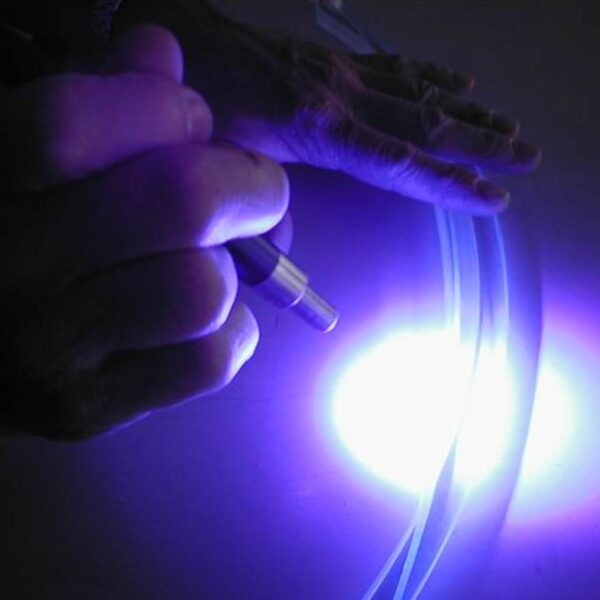
Ultraviolet glues or UV bonding are suitable for gluing various materials, including many types of plastic. This method involves hardening a special formula of liquid plastic by treating it with UV light. The adhesion of the glue depends on it being activated by a UV lamp. This allows for fast and manageable gluing at room temperature.
The advantages of this technique include high strength and the ability to create straight lines. In addition, this technique can easily be applied as part of an automatic production process.
3. Solvent glue
We also use solvent glue within our company wherever necessary. This kind of glue consists of an adhesive dissolved in a specific agent. This glue doesn’t harden, but rather the adhesive bond is established as the solvent is absorbed or evaporates. The advantage of this technique is that the plastic to be processed will still have its original shape after gluing.
4. Specific adhesives
Naturally, our specialists always look for the most effective gluing technique based on the circumstances of the specific case. If the use of certain other specific adhesives is desirable, we will of course always choose the most suitable technique.
Would you like more information on our plastic processing and gluing techniques? Then please contact us now without obligation and we would be happy to give you our expert advice!
Need advice or more information?
5 advantages of (technical) plastics for high-tech applications
1. Lightweight
One of the biggest advantages of plastic over other materials such as metal is its low weight. This makes it possible for manufacturers to make their products even more energy-efficient, sustainable, useful, and environmentally friendly. Being made at the lowest possible weight can be a precondition for vehicle or aviation parts, housings, packaging materials, tank components, or medical devices. Machines which have housings made of plastic are easier to handle and transport.
2. Maximal strength of high-performance plastics
Different high-performance plastics have been developed to ensure excellent performance under extreme conditions. One example is PEEK, a very strong type of plastic with excellent tensile and flexural durability under varying loads and temperatures. Like PEEK, polyetherimide – or PEI – is one of the high-performance plastics. This type of plastic is widely used for aircraft components, partly because of its high mechanical strength. PAI (Polyamide-imide) also has excellent mechanical properties and is used for manufacturing parts which might be subjected to heavy loads.
3. Ideal for high precision machining
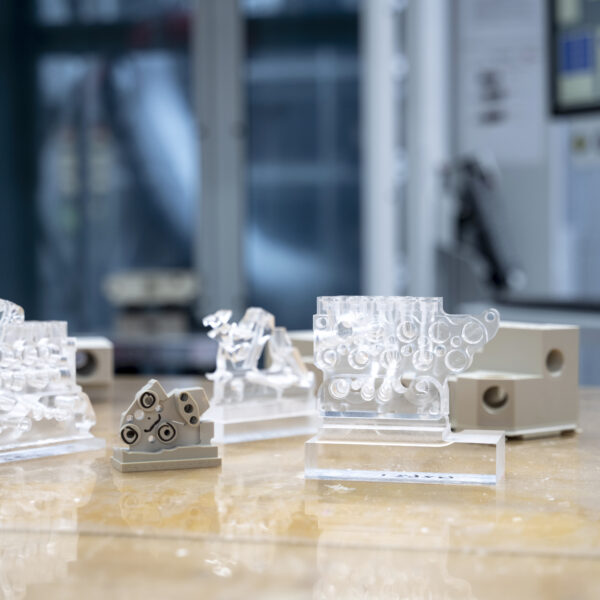
With the right expertise and advanced machinery, high-quality technical plastics can be processed very precisely. This makes plastic highly suitable for the manufacture of applications such as precision instruments. We do this by means of 3-axis milling, 4-axis milling or 5-axis simultaneous milling, a process in which all machining axes can be controlled simultaneously. At BKB Precision, we have 6 machines in our machine park in a climate-controlled environment, including robots. These machines make it possible to keep production going 24/7.
In addition, we specialise in:
- CNC turning
- CNC machining
- Plastic assembly
- Plastic cleaning
- Polishing or sanding
4. Long lifespan for technical plastics
Technical plastics have a longer lifespan than traditional materials. That makes these plastics highly suitable for applications where reliability and safety are of paramount importance. Examples include protective tubes for electricity and telecom cables, sewage systems, gas and water pipes, but also laboratory components and machine parts for the food industry.
Above all, a long lifespan results in lower maintenance costs, which means that increasingly more companies at home and abroad are looking to BKB Precision for the manufacture of high-quality plastic components for various high-tech applications.
5. Resistance to external influences
In many high-tech sectors, it is essential that the materials used are resistant to high temperatures, chemicals, and radiation. These are properties which can be found in various technical and high-performance plastics. We are happy to advise our customers on the right type of plastic to use for specific high-tech purposes.
Thanks to our expertise and years of experience in various market segments, we know exactly which engineering plastics are best suited for the desired purposes and outcomes.
We not only look at chemical and temperature resistance, but also at weight, dimensional stability, maximum strength, resistance to wear-and-tear, hydrolysis resistance, and, last but not least, processing options.