

BKB Precision Group as a partner in complex flywheel technology for the defense sector
The role of flywheel technology in high-end energy storage
For high-end applications in energy storage, Quinteq develops flywheel-based systems that combine performance and safety. A flywheel is a kinetic battery that uses a spinning rotor to store and deliver energy, ideal for applications that require instantaneous power delivery, from milliseconds to several minutes. The flywheel can reduce peak power demands by up to 80%.
Precision plays a key role in these systems: small deviations can have a major impact on performance and reliability. In this context, precision and reliability are inextricably linked to the success of the overall solution.
A technical challenge with no standard solution
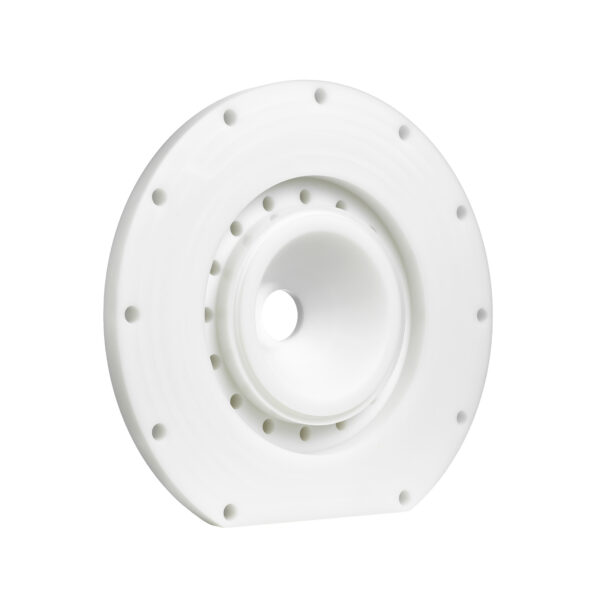
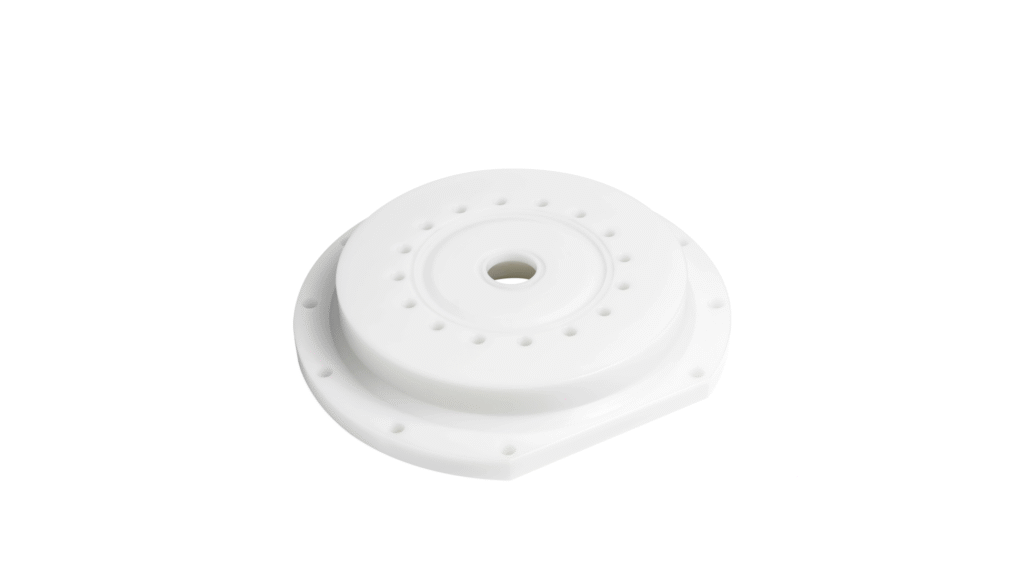
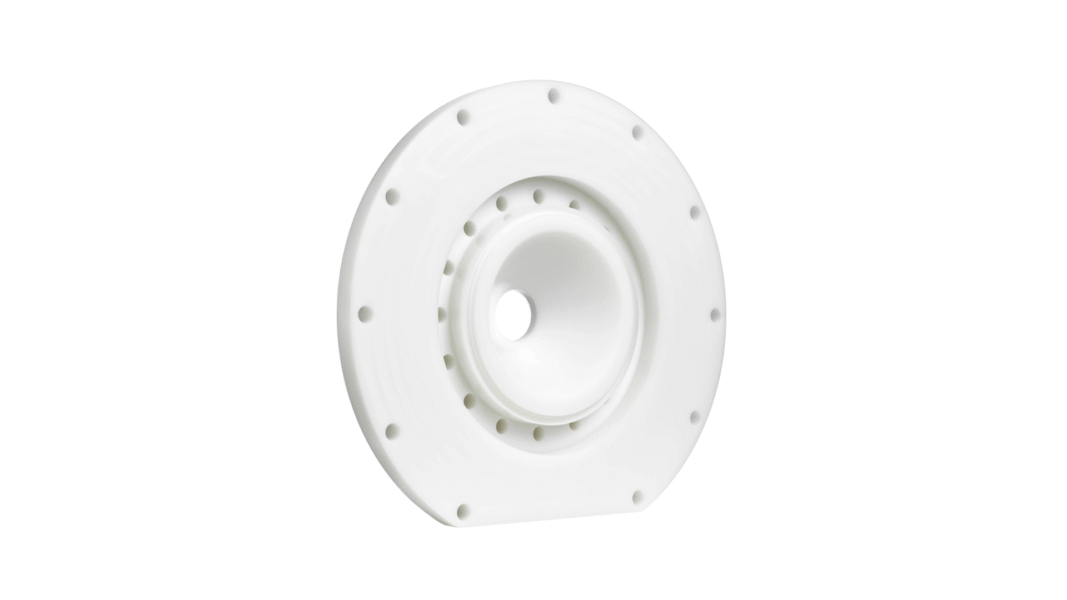
This application has strict requirements in terms of dimensions, reproducibility, and mechanical stability. It involves a component where deviations directly affect the performance of the entire system.
It is precisely this combination of complexity and precision that fits seamlessly with the expertise of BKB Precision Group. Curious about what we can do for you within the defense industry?
From specification to realization
Within this project, BKB Precision Group played a key role in translating complex requirements into a reproducible and reliable product. The collaboration with Quinteq was characterized by short lines of communication and technical coordination. With the successful first deliveries, an important milestone has been reached.
Quinteq agrees: “BKB Precision Group understands the complexity of our systems and supplies components with the precision and reliability that are crucial for our critical applications. The collaboration is running smoothly and strengthens confidence in every phase of the project.”
The power of effective collaboration
The collaboration with Quinteq underscores the role of BKB Precision Group as a partner in complex, high-end projects for customers in the defense industry. Both parties look back on the first phase with confidence and see it as a solid foundation for further collaboration in future developments. Curious to learn why BKB Precision Group is the ideal partner for high-quality plastic solutions in the defense industry?



Need advice or more information?
Trends and developments for 2026 in the plastic machining market
Looking back: trends and developments in plastic machining in 2025
In 2025, it became clear that the plastic machining market was entering a phase of maturity. This was evident from, among other things, the arrival of various new entrants and the growth of specialisms. However, innovations in the field of bonding, the continued development from metal to plastic, digitization, and sustainability also ensured that existing companies in this market continued to innovate. This resulted in more opportunities with regard to plastic processing. These trends are explained in more detail in our blog article on the trends and developments of 2025 and form an important basis for developments towards 2026.
Trend 1: Specialization & extra value-added services
By 2026, the role of plastic machining companies will shift even further and more frequently from supplier to chain partner. Customers expect not only accurately milled or turned parts, but complete solutions that go beyond the machining process alone.
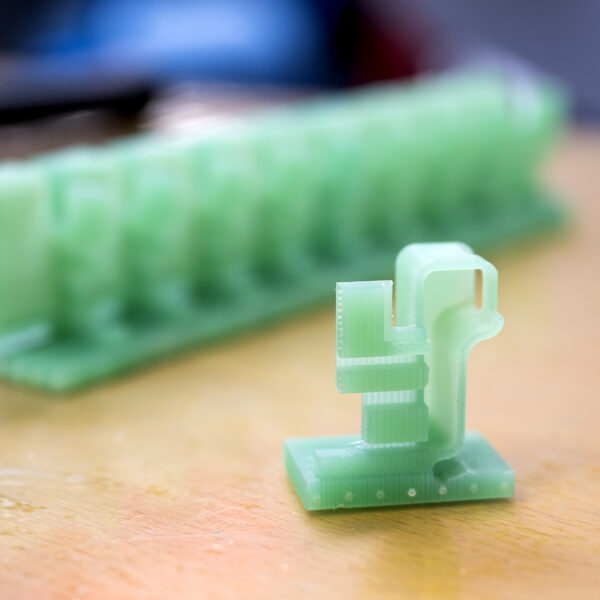
The integration of bonding, assembly, and other preparatory processes within a single chain is becoming increasingly common. At the same time, there is also increasing demand for hybrid production methods, in which machining is combined with additive manufacturing, for example. This is easier said than done. Discover how we at BKB Precision recently achieved this with extreme precision for a high-end customer in the high-tech industry.
Trend 2: Increased use of high-performance plastics in the defense industry
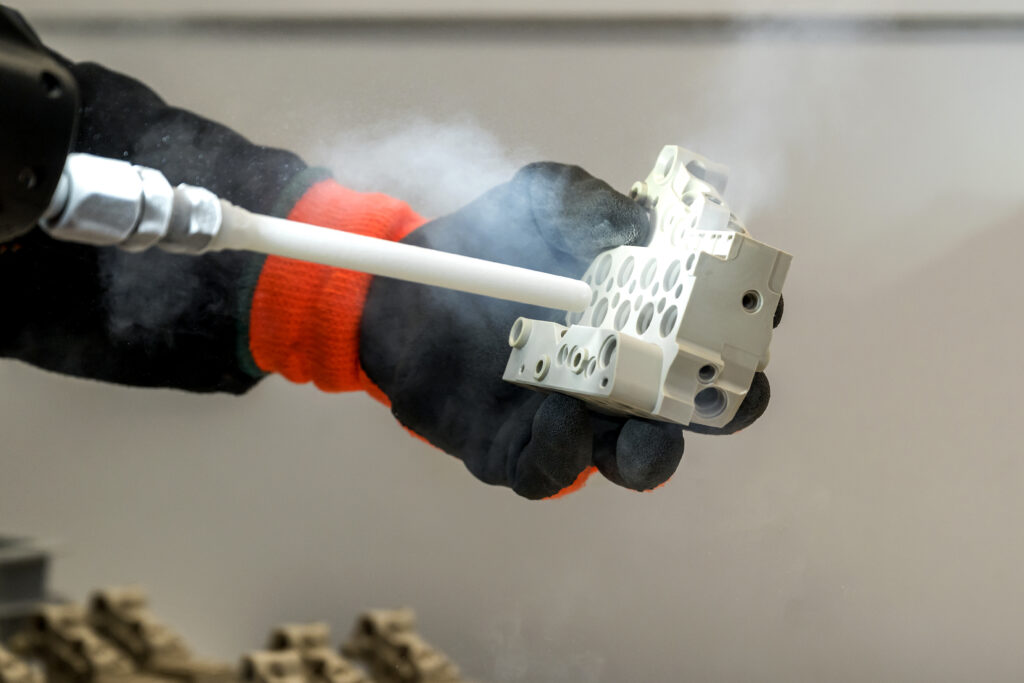
By 2026, the defense industry will have developed into an important growth market for high-performance plastics. Due to stricter requirements in terms of weight, durability, and functionality, metal components are increasingly being replaced by high-quality plastics such as PEEK and PEI. These materials not only offer technical advantages, but also contribute to design freedom and functional integration.
For plastics machining companies, this means an increasing need for in-depth material expertise, process reliability, and quality assurance in order to meet the high demands of this sector.
Trend 3: AI and smart machining are in their infancy
Although AI and smart machining will not yet be commonplace in the plastics machining market in 2026, they do mark the beginning of a fundamental change. Current applications focus primarily on insight and support, but already demonstrate the potential of this technology for process control and quality.
As systems mature, AI-driven processes will play an increasingly important role in efficient and scalable production. The use of AI is also increasing creativity in the machining process. Early adoption and experimentation are therefore an important step towards future-proof machining.
Trend 4: Sustainability and circular machining
Sustainability and circular machining will continue to play a role in 2026. Within the market, this will certainly remain a key pillar in the coming years, with increasing demand for demonstrable sustainability, requiring organizations to be able to substantiate their CO₂ impact per product and process. This development makes sustainability a distinguishing factor and a strategic competitive advantage.
Circular thinking is no longer limited to the choice of materials, but extends across the entire production process. The structural reuse of plastic waste streams, investment in energy-efficient machines, and the use of minimal or dry machining are important developments in this regard.
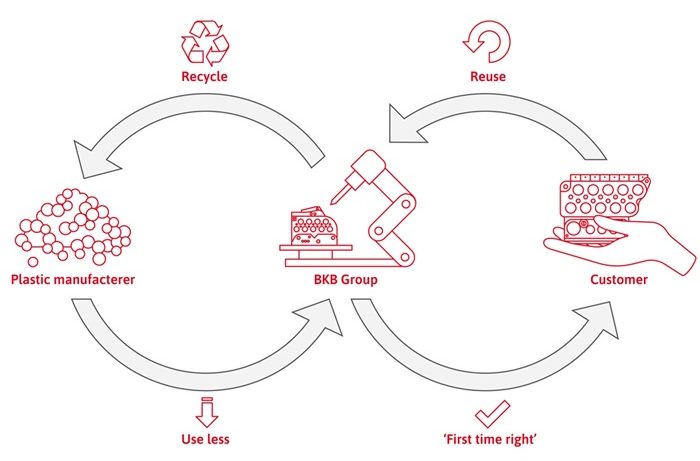
At BKB Precision, we have also been working on this for a number of years and will be publishing our third sustainability report in Q2, which will detail exactly where we stand on this issue. It will also outline the steps we still need to take and will be taking to become even more sustainable.
In 2025, we will also have set up a reuse process for a single customer, but for multiple items, whereby we reassess, repair, and clean the items we produce for a new round of use.
Trend 5: International expansion and scalability
International diversification will become an increasingly important building block for sustainable growth in 2026. The establishment of a branch in Malaysia is therefore an important step in the international growth strategy of the BKB Precision group. This expansion contributes to risk diversification and increases the agility of the organization.
At the same time, there will be a strong focus on more intensive collaboration within the group in the coming year. By making better use of capacity, knowledge, and resources across the various locations, the different branches within the group will be able to provide their customers with even better support in terms of flexibility, delivery reliability, and scalability. Manufacturing the product where the price-quality ratio is optimal for the customer.
Ready for the future of plastic machining
As we approach 2026, it is becoming clear that success in the plastic machining market requires more than just technical expertise. Sustainability, specialization, smart technology, and international cooperation together form the building blocks for further growth. Would you like to discover how BKB Precision is leveraging these trends to optimize your production processes? Contact us and talk to our specialists.
Need advice or more information?
Plastics machining as a key technology in the medical manufacturing industry
Why plastic? The real advantages for medical applications
Medical innovators don’t choose plastic just because. They do so because it offers solutions that are simply not feasible with metal or glass.
- Lightweight and strong
Ideal for portable equipment and ergonomic instruments. - Chemically and thermally resistant
Resistant to intensive cleaning, disinfection, and sterilization. - Design freedom
Complex geometries, microchannels, and optical surfaces are possible—opening the door to new product concepts. - Cost and process advantages
Plastics can be processed extremely quickly, with excellent reproducibility.
The critical factor: precision
In the medical world, “close enough” is simply not good enough.
A deviation of just a few micrometers can lead to leaks in microfluidics, inaccurate sample analysis, or mechanical failure.
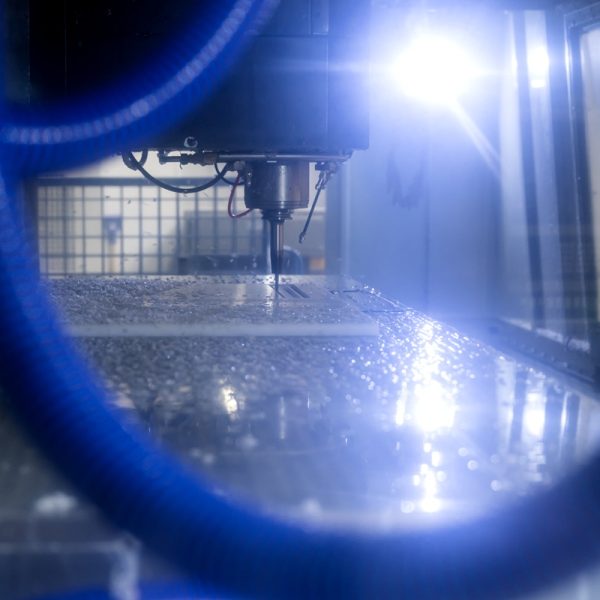
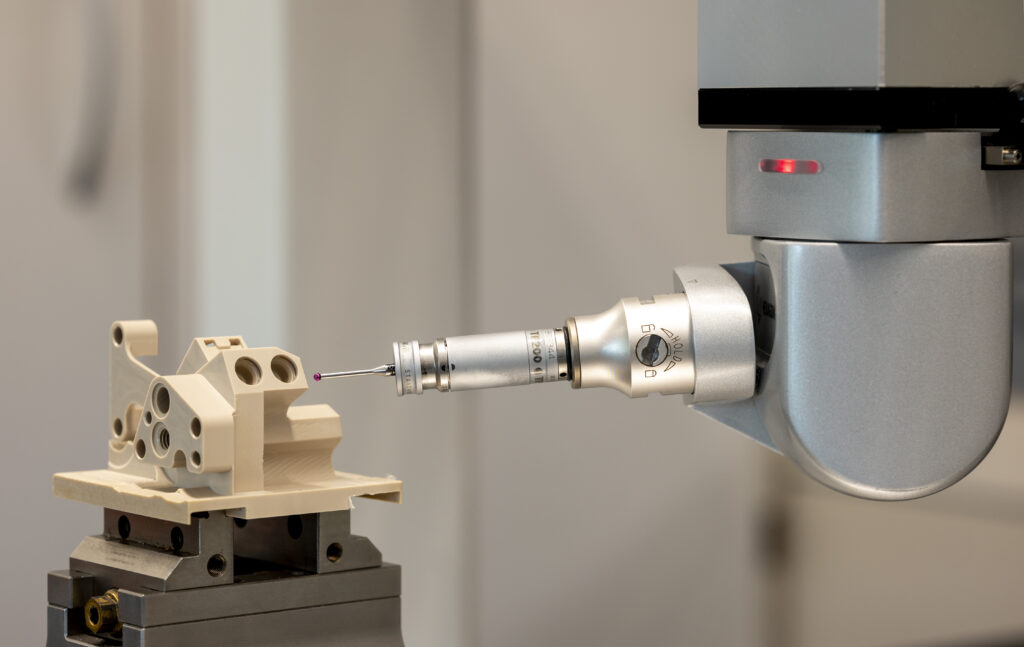
Modern CNC plastic machining makes tolerances achievable that were previously considered impossible. Combined with advanced measurement methods and ISO-compliant production, this creates a manufacturing process that focuses on traceability, stability, and certainty.
Innovation & sustainability: the new standard
The medical sector demands sustainable, traceable production. Recycled and bio-based plastics are becoming increasingly easier to machine and are increasingly being approved for use in medical equipment.
Materials that were considered “too unstable” five years ago are now of sufficient quality for precision machining. This is giving rise to a new generation of components that are both technically and ecologically future-proof. If you would like to know more about the applications and possibilities of plastics, please feel free to contact us.
Material selection and applications: what works where?
The right plastic directly determines the performance of medical equipment. An overview of the most commonly used materials and their typical applications:
- PEEK
Strong, biocompatible, sterilizable → suitable for surgical components, support structures, and high-end analyzers. - POM
Low friction, highly dimensionally stable → ideal for valves, bearings, gears, and other moving parts. - PET
Extremely dimensionally stable → suitable for flow cells, optical chambers, measuring modules, and precision housings. - HMPE
Wear-resistant and self-lubricating → used for slide guides, guide plates, and moving laboratory parts.
By linking the application to the right material during the design phase, you can prevent problems such as stress cracks, deformation, or inaccurate measurements—and increase the reliability of the entire system.
Plastics machining is more than just a production technique
It is a strategic technology that determines how innovative, precise, and future-proof medical equipment can be. Choosing the right plastics, the right processing technique, and the right partner who understands the market gives you a competitive edge in a rapidly changing market.
Would you like advice on material selection, precision processing, or sustainable alternatives? Feel free to contact us without obligation.
Need advice or more information?
High-quality plastic components for the defense sector
What makes plastic machining in defense so demanding?
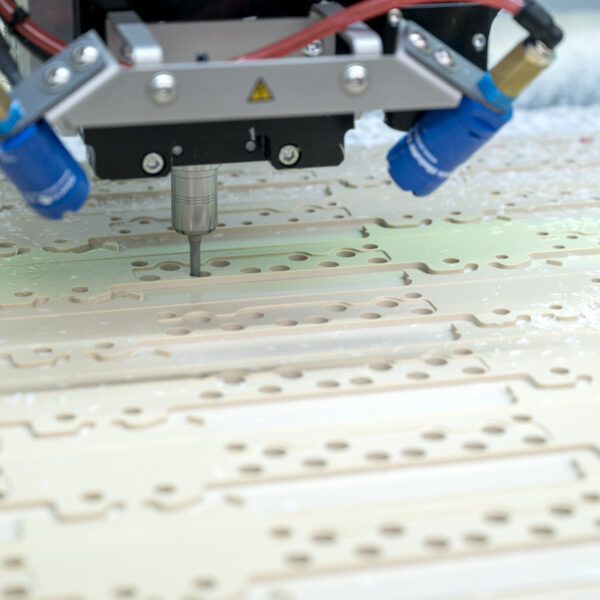
Plastic machining in the defense sector is demanding due to the exceptional conditions in which components must perform and the strict requirements they must meet. Plastic parts must, often for years, function perfectly without any margin for deviation. From material selection and dimensional stability to resistance against impact and chemicals: every detail matters. The margin for error? Simply does not exist.
At BKB Precision we have experience in producing plastic components for defense and we know better than anyone that this industry demands absolute precision, in-depth material knowledge and a fully reliable production process within a well-secured working environment. We not only supply separate components but also complete products, applying techniques such as inserting inserts, gluing, laser marking and welding. This way we ensure a complete end result that is immediately deployable.

The role of plastic in defense applications
Plastics play an increasingly important role in various defense applications. Think of precision parts for communication systems, housings for electronic equipment, wear-resistant components in vehicles or lightweight structures for portable equipment. Due to their versatility, high-performance plastics can be machined into complex shapes with minimal tolerances, maximum reliability and a reduction in weight
This is why defense increasingly chooses plastic strategically
Plastics repeatedly prove their value in the defense industry. Thanks to their low weight, high strength and excellent resistance to extreme environmental influences they increasingly prove their added value over metal components. Even a small weight reduction in equipment or material can make a significant difference in the mobility of military personnel without compromising reliability or durability.
At BKB Precision we see that more and more parties in the defense sector are consciously choosing plastic as a strategic material and BKB Precision as a reliable partner. Curious how we can support your organization with high-quality plastic solutions?
Customer case from the defense sector: precision work under high expectations
For various international defense companies we supply complex plastic components within extremely tight tolerances. As a supplier for Airbus and Thales we know what is required in this demanding sector: speed, creativity and absolute precision.
“Their credo ‘making the almost impossible possible with plastic’ has in my opinion been realized. You do not call on their creativity in vain when you search for solutions with them. They know a lot about and can do a lot with plastic.” according to Geert van de Merwe, Purchasing Manager at Thales Netherlands. Thanks to our climate-controlled production environment and specialist knowledge we remain a reliable partner for innovative applications within defense.
Defense demands high standards and so do we
In the defense sector quality is not an option but an absolute requirement. Components must function flawlessly under the most extreme conditions and that starts with a meticulous production process with strict quality control. At BKB Precision quality is central to everything we do, from material selection and machining accuracy to cleaning, packaging and documentation. Our processes are set up to meet the strict requirements of defense customers who leave nothing to chance.
Want to know more about our quality assurance?
Most frequently asked questions in the industry
Think of high-performance plastics such as PEEK, PPSU, PTFE, POM, PEI (Ultem) and glass or carbon fiber reinforced materials but also foam materials such as Airex or Rohacel. These offer strength, chemical resistance, dimensional stability and temperature resistance.
Our processes are designed for stability, precision and reliability. Because all our products are custom made and we handle customer information and designs discreetly our working method and quality standards seamlessly match the expectations within the defense sector. Customers in this field can count on a safe professional and committed cooperation.
Through NDAs, closed production environments, controlled access procedures and secure data processing. Discretion is an integral part of our working method. In addition all employees sign a code of conduct.
Absolutely. We are happy to collaborate with engineers to optimize material selection, manufacturability and tolerances at an early stage of the design. As an early supplier involvement partner, we actively think along from the first design phase so that the final product is technically feasible, efficiently manufacturable and of consistent quality.
Depending on the material and machining method, we can achieve tolerances of up to ±0.001 mm, which meets the requirements in many defense applications.
Need advice or more information?
Why metal is increasingly giving way to plastic: a silent revolution in manufacturing
The history and rise of plastics
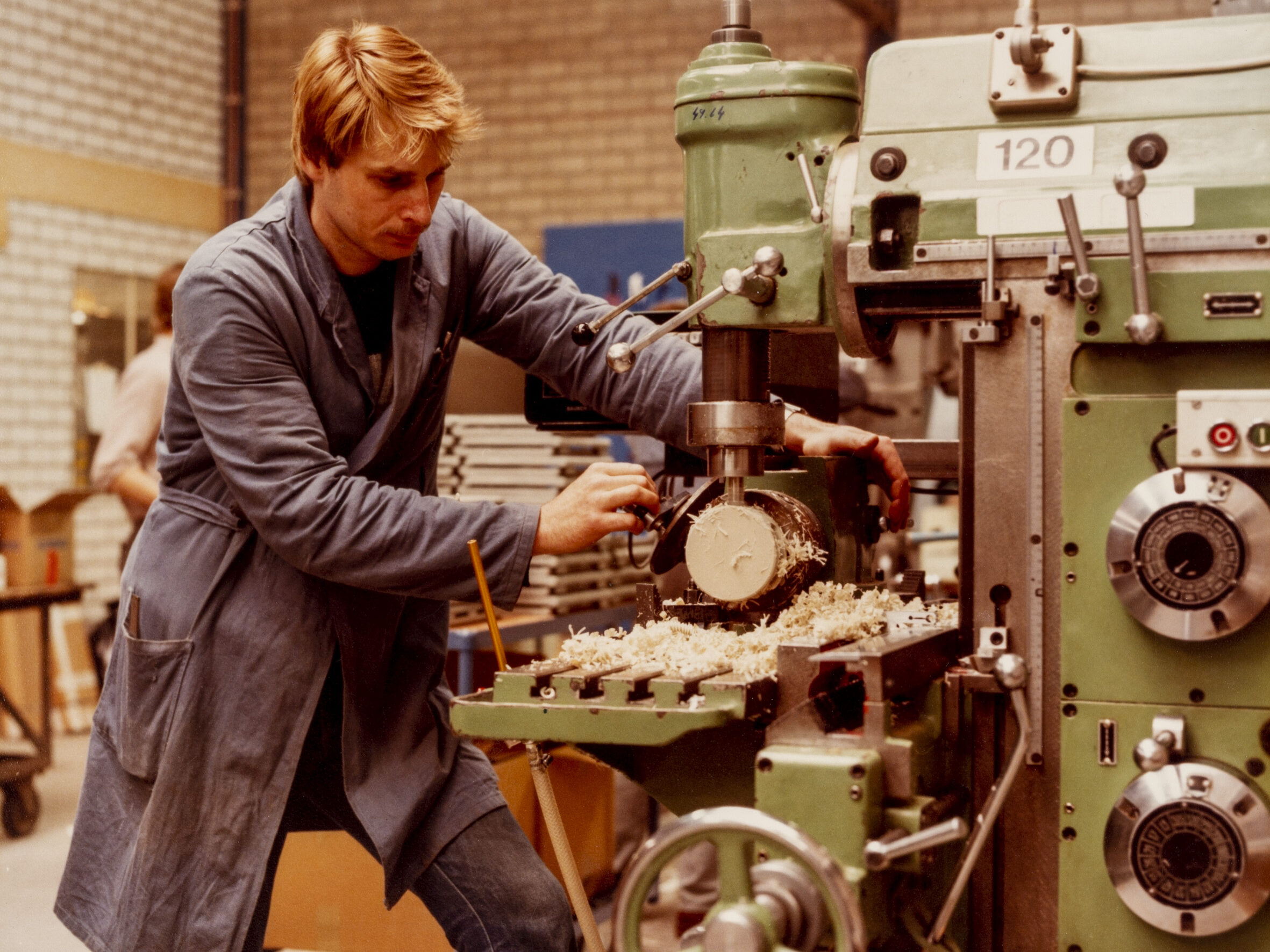
Metal was the undisputed standard in manufacturing for decades, yet that certainty is now under pressure. Plastics have made an impressive advance in recent years as an alternative. Whereas they were once primarily used as cheap substitutes for everyday applications, we now have access to a wide range of technical and high‑performance plastics.
Thanks to new production methods and growing insights into material properties, engineers are increasingly using plastics for demanding applications. Particularly in precision sectors such as semicon and analytical industries, where tolerances are minimal, plastic increasingly proves to be a smarter and better alternative to metal.
The advantages of plastic over metal
The choice for plastic is increasingly based on technical and economic considerations rather than assumptions. The advantages speak for themselves:
- Lighter weight without loss of strength
- Corrosion resistant and low maintenance
- High dimensional stability for precision machining
- Low coefficient of friction
- Saves costs on material, transport and production
With the wide variety of plastics available today, there is always a type of plastic that fits your application.
From metal to plastic: how that looks in practice
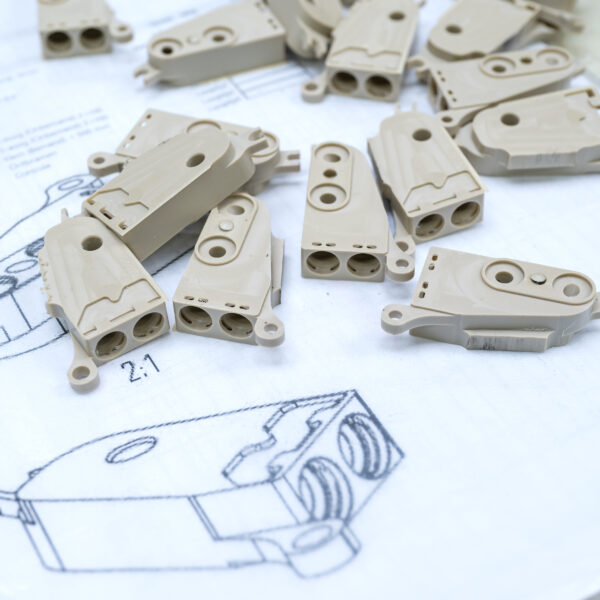
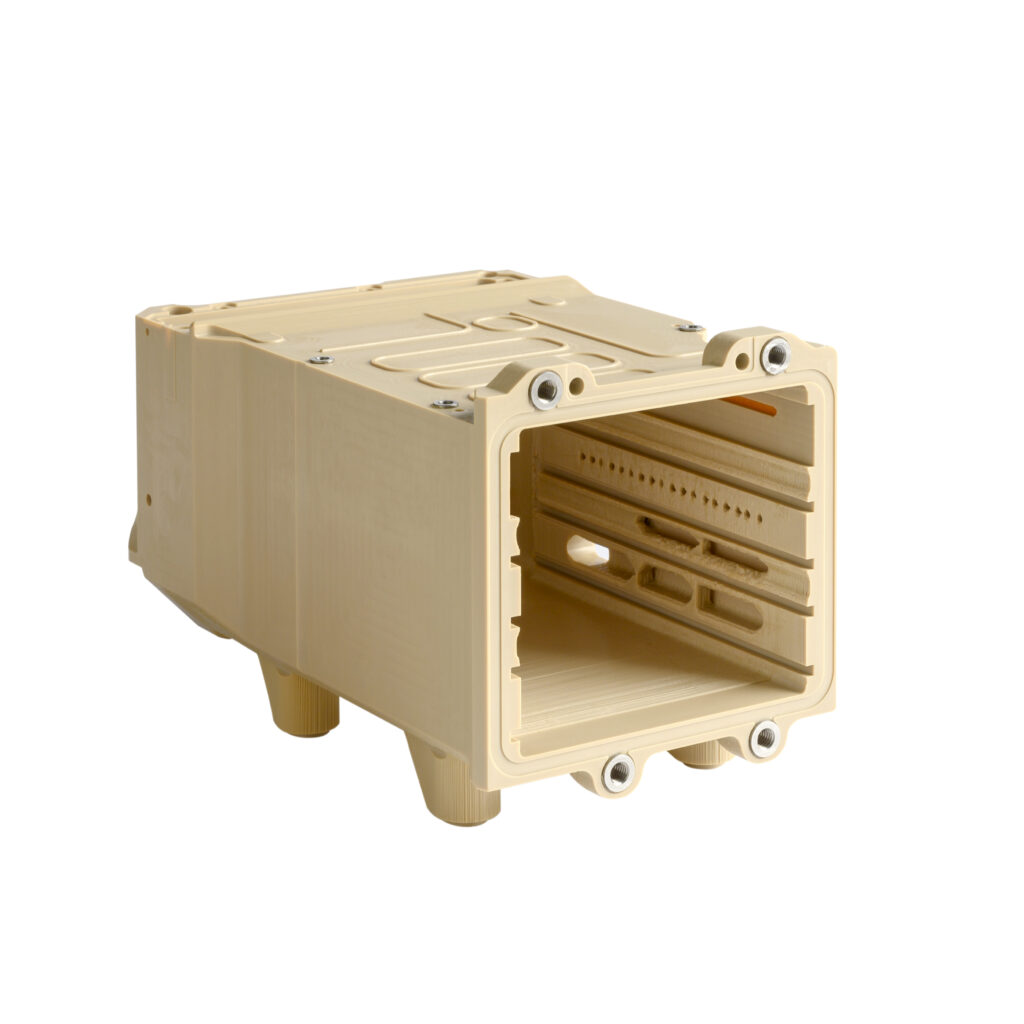
The difference is sometimes in the details. A customer from the semicon sector faced a choice: continue working with metal or take the step to plastic. Together with BKB Precision they explored the possibilities. By smartly redesigning the component in plastic, it became over half a kilo lighter per item. That saving translated into lower material costs, reduced transport weight, and a more stable process.
BKB Precision was involved from the start of this transition project: from material advice and machining techniques to cleaning and assembly. With our knowledge and experience we were able to respond quickly and jointly arrive at an optimal final product.
We have since successfully supported multiple customers from the semicon, analytical and other industries in similar material transitions. Discover how the complete project progressed or contact us for more assistance with your project.
From metal to eco‑conscious: how plastic contributes to sustainability
In many applications plastic proves not only more practical, but also more sustainable than metal. It is lighter, corrosion‑resistant thus longer lasting, and requires less energy in production and use. Moreover, less mass also means lower emissions in transport, and reuse and recycling are increasingly feasible.
At BKB Precision we take our responsibility seriously. Every year we publish our progress on sustainability and continuously work to further green our processes and decisions. Discover our approach in our most recent sustainability report via the button below.
Future perspective: what can we expect?
The shift from metal to plastic is still in its infancy. But thanks to ongoing innovations in materials, more advanced machining techniques and growing expertise among engineers, the application possibilities for plastics will only increase. Think of lighter machines, smarter designs and more sustainable manufacturing processes.
At BKB Precision we push technical boundaries every day. We continually invest in knowledge, machinery and collaboration to maximize the potential of plastic machining, and we will continue to do so. What is groundbreaking today may become the new standard tomorrow.
Curious how we can support you with your next project?
Need advice or more information?
The power of PEEK – the high-performance material for precision applications
The strength of PEEK
What exactly makes PEEK so unique? This high-performance polymer combines the strength and wear resistance of metals with the flexibility and light weight of plastics. Whereas traditional plastics like PVC or PP deform quickly at high temperatures, PEEK retains its strength and structural integrity even under extreme conditions
Compared to metals, PEEK offers not only weight savings, but also better resistance to corrosion and chemical attack. This combination of properties makes it an indispensable material in high-tech applications where precision and durability are paramount.
Precision in PEEK machining: complex, but our expertise
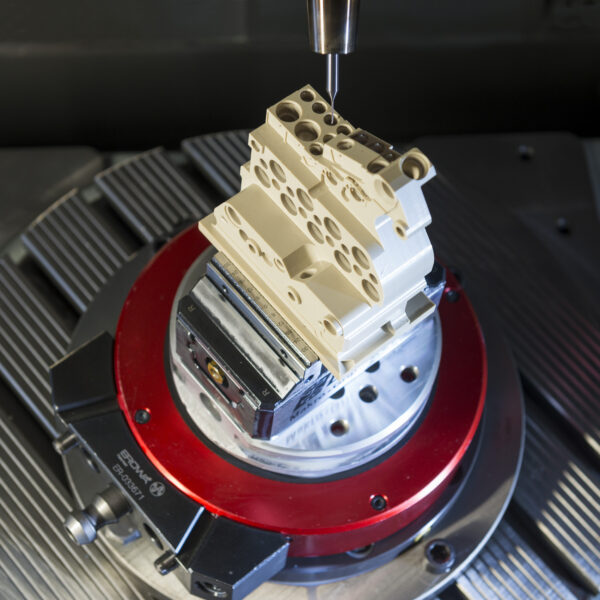
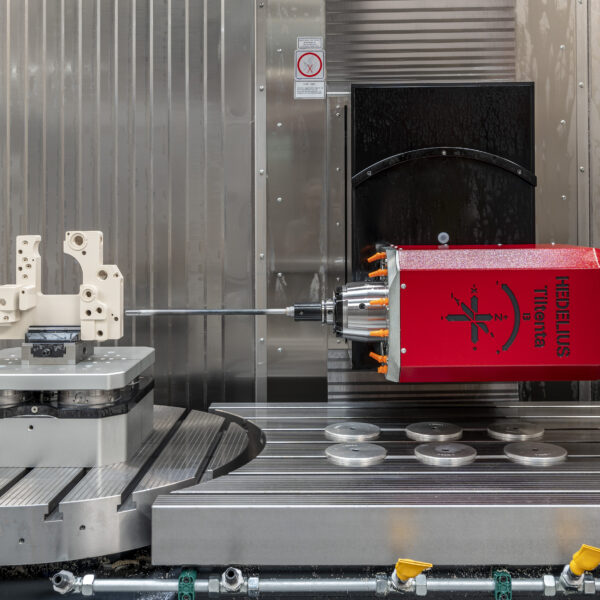
Machining PEEK seems simple at first glance, but it presents specific challenges. Due to its toughness and wear resistance, high friction occurs during turning and milling, which can lead to heat generation and deformation. This requires precise cutting parameters and special tools to keep the machining process stable.
To achieve tolerances down to the hundredth of a millimeter, a perfectly balanced process is essential. Finishing also plays a crucial role: the wrong milling strategy can lead to a rough or damaged surface.
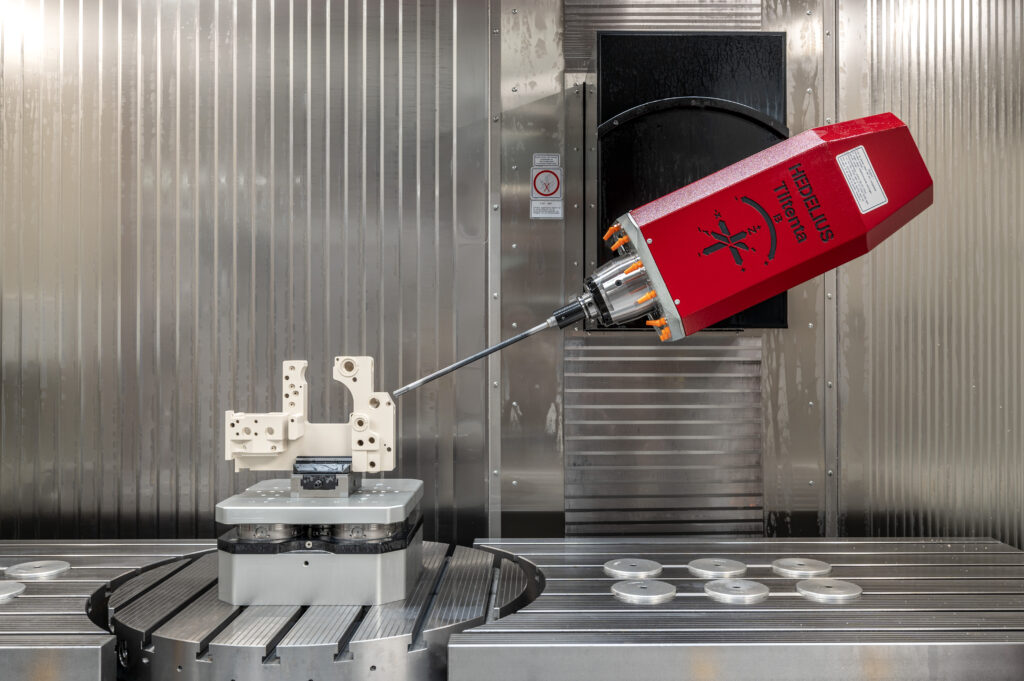
How do we tackle this? At BKB Precision, we combine advanced machinery, specialist knowledge and strict process control and ensure an optimal end result every time.
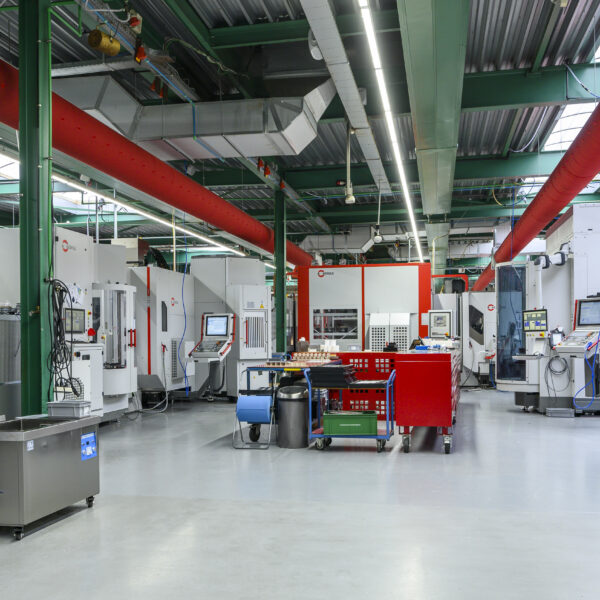
Advanced machinery with specialist knowledge and process control for a perfect end result. Not for nothing is PEEK the most frequently machined material in our workshop.
Why choose PEEK? The most important advantages
PEEK is a material that has proven itself in demanding industries. The main advantages for choosing this material are:
- High temperature resistance up to approximately 280 °C
- High wear resistance
- Despite the strength of the material, it is lighter than many metals
- Resistant to many corrosive substances
- Biocompatible
PEEK in the world of high-tech applications
PEEK is a crucial material, especially for the medical and semicon industries, where reliability and precision are vital. In the medical industry, PEEK is widely used for implants and surgical instruments, increasingly replacing metals. This is because PEEK is more body-friendly and more resistant to wear.
In the semicon industry, PEEK is an ideal choice for applications that operate under extreme conditions. Among other applications, the material is used for connectors and insulators where thermal stability and chemical resistance are essential. PEEK offers reliable performance in the production of semiconductor components that have high demands for accuracy and reliability.
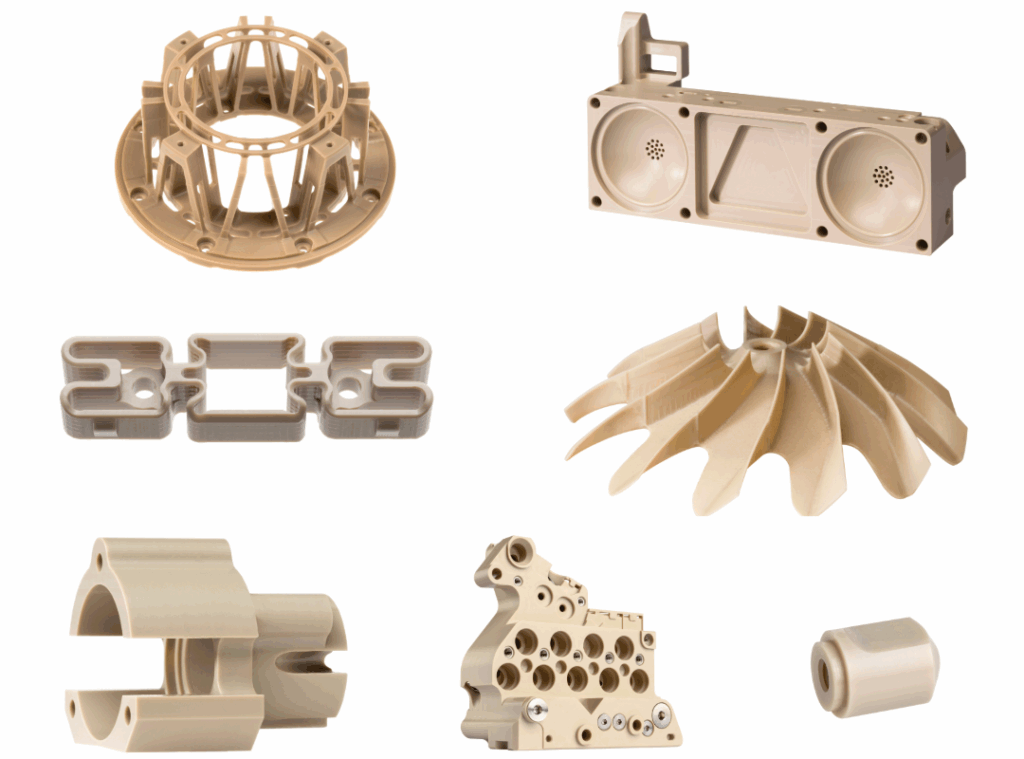
View several practical examples to the right or feel free to contact us with any questions!
Need advice or more information?
Plastics and the defense industry
Big, heavy and seemingly impenetrable
Whereas defense equipment used to be mainly big, heavy and seemingly impenetrable, that image has now changed considerably. Of course, there are still impressive armored vehicles, fighter planes and naval vessels. But modern warfare is increasingly about small units, speed, movability, invisibility and lightweight equipment.
Stronger through innovation. Lighter through plastic.
The new role of plastics in the defense industry
It should come as no surprise that plastics, previously hardly used in defense applications, are now playing an indispensable role. From drones and vehicles to advanced combat clothing, plastic components are being used everywhere, replacing metals or other materials.
Weight and material properties are often decisive in material selection. Even a small reduction in weight can make a big difference in the mobility and effectiveness of military personnel.
In short, where plastics used to be thought to “not make a dent in a packet of butter,” they are now indispensable in today’s defense industry. New tactics and strategic principles make plastics – as in other industries – a key component in innovation. Indeed, thanks to the use of plastics, there are more possibilities because of the diverse material properties.
Need advice or more information?
Trends and developments in plastic machining: What will 2025 bring?
1. Development in bonding
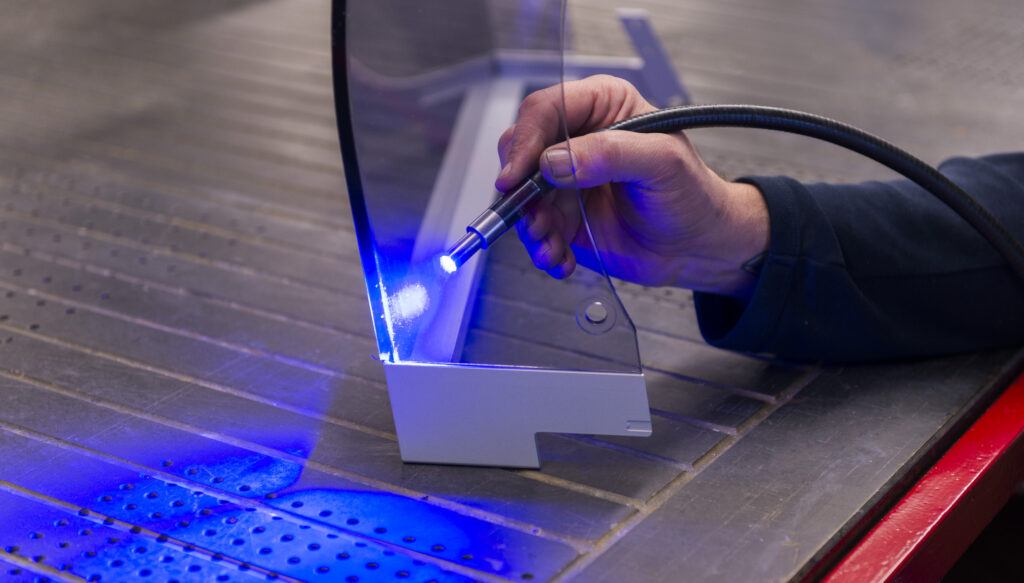
The market is making increasingly high demands for high-quality and durable bonding of plastics, particularly in sectors such as medical technology. At BKB Precision, we are investing heavily in the optimization of our bonding processes in 2025. With the purchase of a plasma treatment device, a dispensing device and an XYZ robot (planned for Q1 2025), we are taking our precision and efficiency to a new level.
These innovations will enable us to meet our customers’ increasingly stringent expectations and maintain a competitive edge. Once these new techniques are fully integrated into our processes, we will elaborate on their operation and the benefits they offer to our customers and markets in a future blog.

2. Sustainability
Sustainability will remain a spearhead for BKB Precision in 2025. As we did in 2024, we are again committed to various sustainability initiatives this year to further minimize our impact on the environment and achieve our stated goals. We are currently busy preparing our 2024 sustainability report and working on further specifying our climate awareness to meet the strictest regulations within the Corporate Sustainability Reporting Directive (CSRD).
At BKB Precision, we are convinced that sustainability is not just a trend, but a necessary basis for long-term success and a better world. This is why we like to be at the forefront of this field within the plastics processing industry! Check out our sustainability activities now via the button below.
3. Further development from metal to plastic
We notice that customers are increasingly developing their products from metal to plastic, and we expect this trend to continue in 2025. This shift is not without reason: plastic offers numerous advantages over metal, such as lower weight, corrosion resistance and greater design freedom. Moreover, plastic machining processes often enable more efficient and cost-effective production without sacrificing precision and durability.
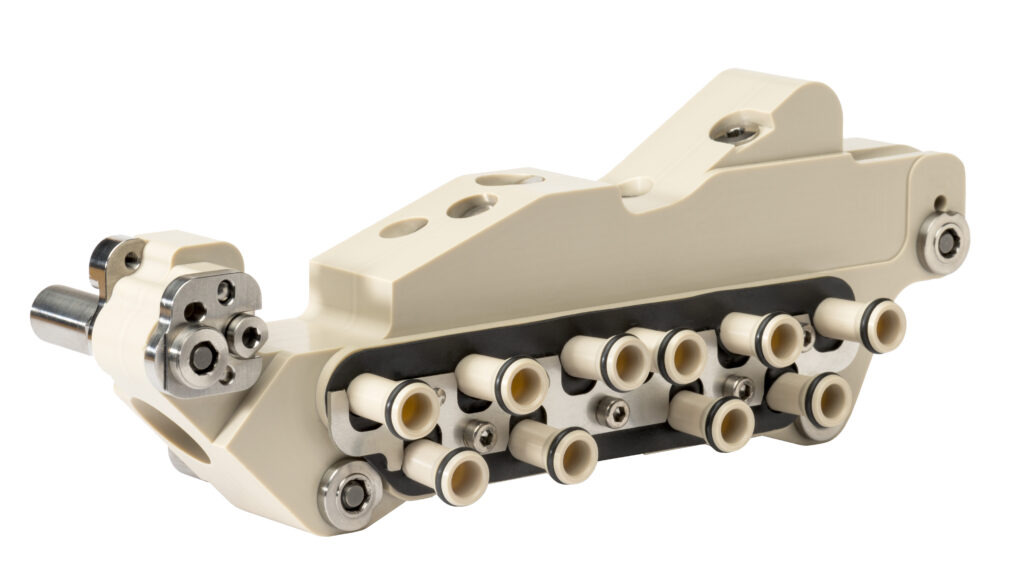
Thanks to continuous technological advances, more and more high-performance plastics are being developed that can match or even exceed the properties of metal. A good example of this is PEEK, an extremely strong and wear-resistant plastic. The product you see here shows how one of our customers successfully made the transition from metal to plastic. Read how this transition led to a better and more sustainable end product via the button below.
4. Digitization
As in 2024, digitization will remain a key theme within the manufacturing industry in 2025. Partly due to the rise of AI, this theme also continues to develop at a rapid pace. The more efficient, faster and more reliable exchange of data between companies contributes to higher productivity and shorter lead times. In an industry where pressure is high and delivery times are under stress, digital optimization is becoming increasingly crucial to remain competitive.
At BKB Precision, we therefore continue to invest in digitalization. Whereas in 2024 we already took steps in this area, in 2025 we will take further steps to optimize our processes. The integration of AI and advanced digital systems will help us cooperate even more efficiently with customers and partners, reduce error margins and shorten production times. Digitalization is no longer an option, but a necessity for companies that want to remain future-proof.
Need advice or more information?
Innovation in plastics machining: BKB Precision introduces ultrasonic inserts placing
Ultrasonic insert placement
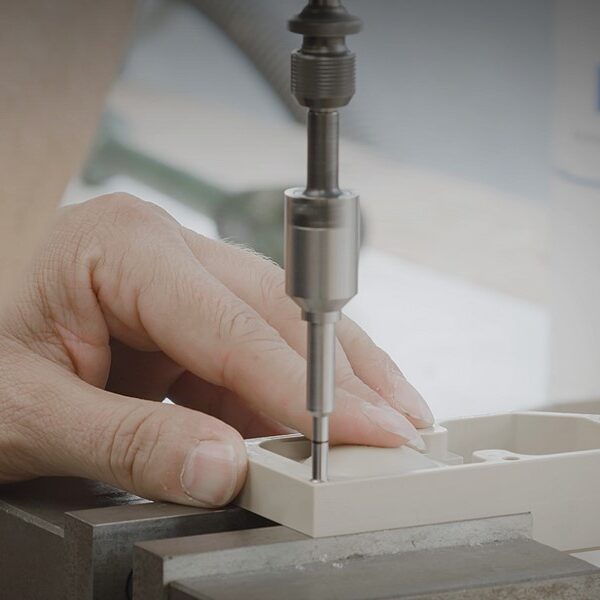
Ultrasonic inserts placement is an advanced technique that uses sound waves with a frequency as high as 20,000 megahertz or higher to integrate inserts into plastic products. These ultrasonic vibrations generate localized heat, which fuses the plastic material where the insert is inserted. This anchors it quickly and securely without the need for additional threading or bonding.
Ultrasonic insert placement has many advantages over normal insert placement. The biggest advantage is that this technique allows inserts to be placed in plastic products with thin wall thicknesses, a process that is often difficult or risky with traditional methods because of the risk of cracking or deformation. In addition, the results are more consistent and reliable, contributing to the overall quality and strength of the final product.
Nexus Ultrasonic Servo Welding machine
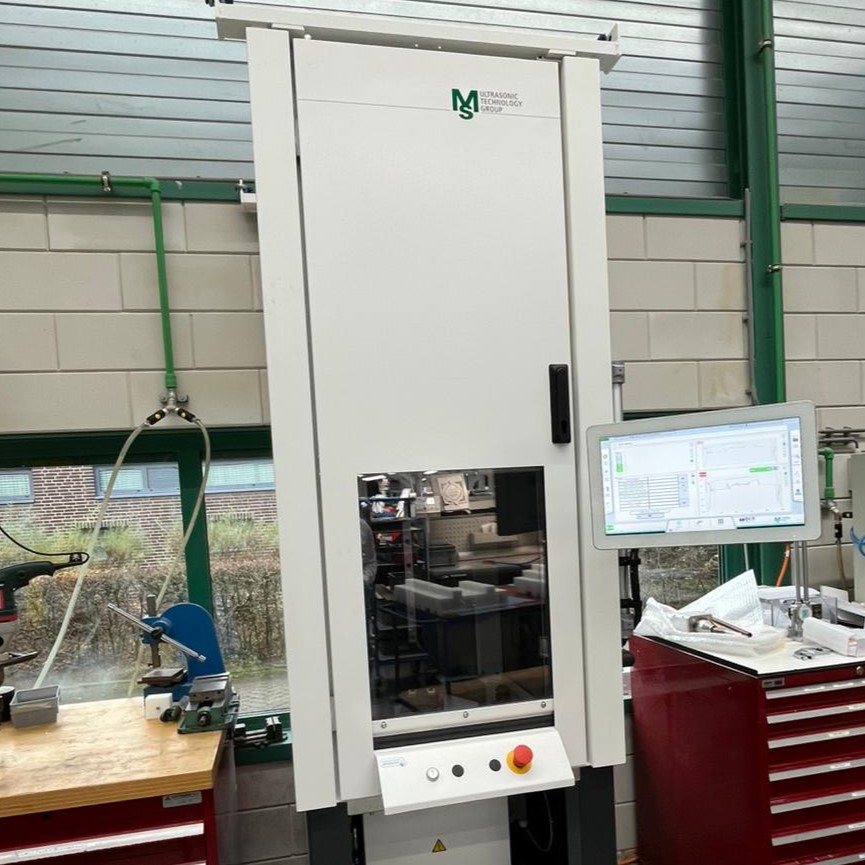
The Nexus Ultrasonic Servo Welding machine allows us to place inserts with unprecedented precision and reliability. With features such as advanced control over pressure, temperature and positioning, this machine offers consistency and quality even with complex designs and thin wall thicknesses. The benefits? Faster processing time, firm anchoring without material damage and a finished product that meets the highest standards for durability and performance.
Find out all about the benefits of ultrasonic insert placement
At BKB Precision, we are happy to share our knowledge and experience about the new ultrasonic inserts placement technique. Whether you are working with thin plastic wall thicknesses or looking for a more efficient way to place inserts, this new technology can add significant value to your products. Contact us to find out what we can do for your specific project.
Need advice or more information?
Lowering the RA value of circular sealing surfaces
The problem
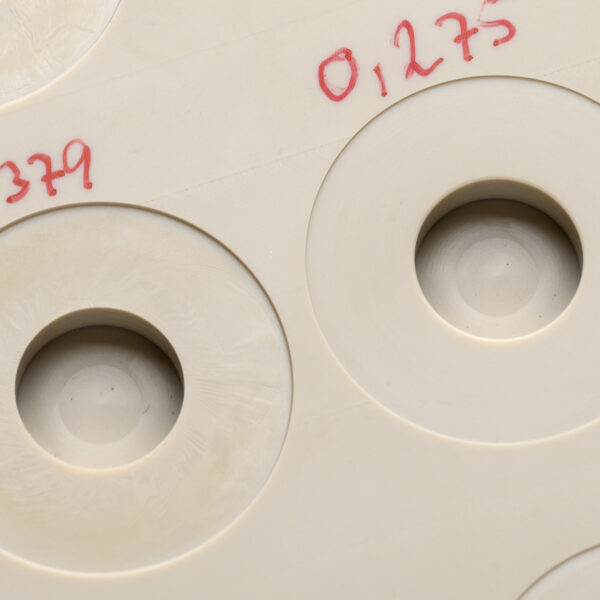
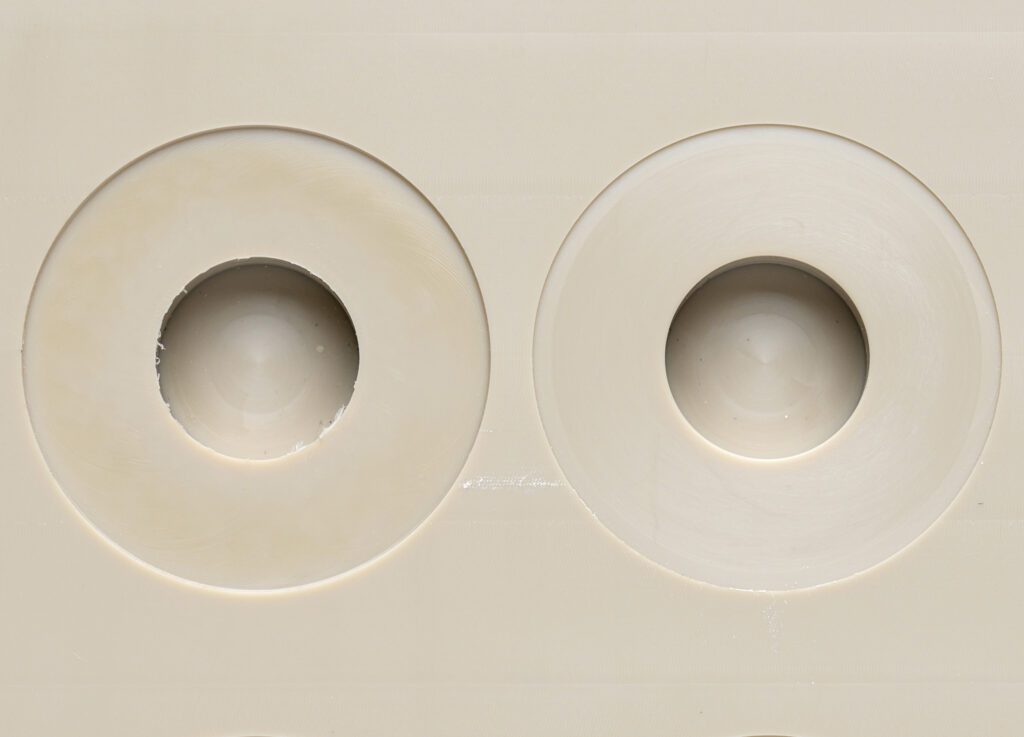
To prevent leakage when fitting O-rings, it is essential to keep the surface roughness (RA value) as low as possible. We recently started a pilot project with a customer to further reduce this RA value and minimize the risk of scratching, so that the sealing surfaces of the O-rings are guaranteed to remain leak-free.
The challenge here is that during milling, the tool inevitably comes to a stop on the product, which can result in a slightly higher RA value or small scratches on the sealing surface, which can cause leakage. At BKB Precision, however, we don’t shy away from any challenge. We have been fully committed to making this improvement possible.
The circular sealing surfaces
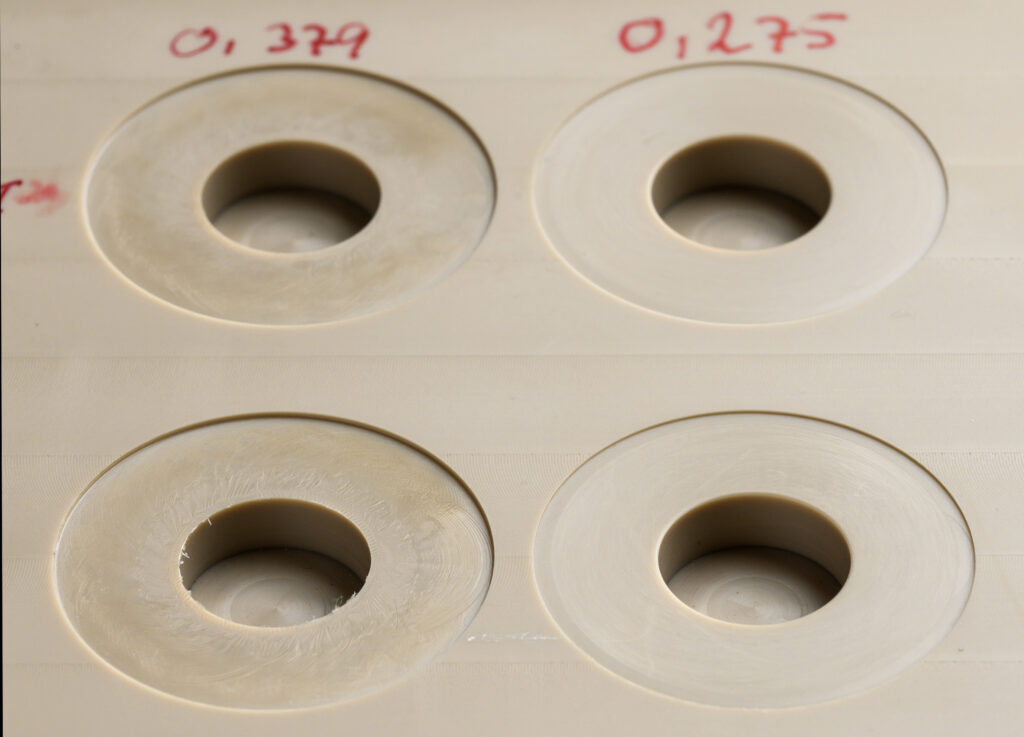
We performed several tests to reduce the RA value, and successfully. First, we milled the sealing plane with a C router, then machined the surface with a custom-made brushing tool in the machine. This left the dimensions unchanged, while significantly reducing the RA value.
Whereas before we had to do a lot of sanding to meet strict RA values, we have now automated this process which brings several advantages. For example, we have been able to reduce RA values by 50% and increase the guarantee of leak-free circular sealing surfaces. In addition, this new technique is more cost-effective, reliable and time-saving. Whereas we used to spend 4-5 minutes meeting the RA values of one sealing plane, this automation means we are down to 22 seconds.
So what makes this so complicated?
After extensive testing, measuring, consultation and feedback, we managed to overcome this challenge. With the knowledge and expertise we have in the field of plastics machining, we have developed a completely new technique and associated tools to make this pilot a success.
As a result, all of our customers will benefit from this new technique. The technique is applicable to all types of plastics and we will of course continue to work on optimizing this operation. From now on, this technique can be used for all C-faces that we will produce in the future.
Curious to learn more about this new machining method or what this means for you?
Wondering what this newly developed technique means for you? Or would you like to learn more about how this machining really works? We are happy to share our knowledge with you. Feel free to contact one of our specialists and we will be happy to help you.