PA plastic
Properties of polyamide plastic
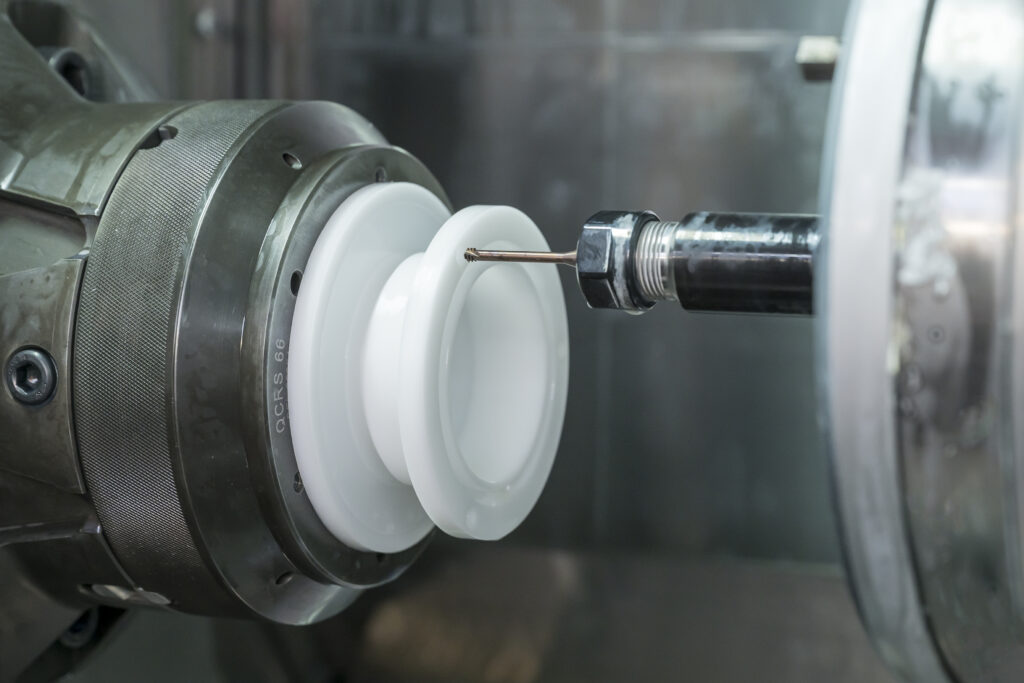
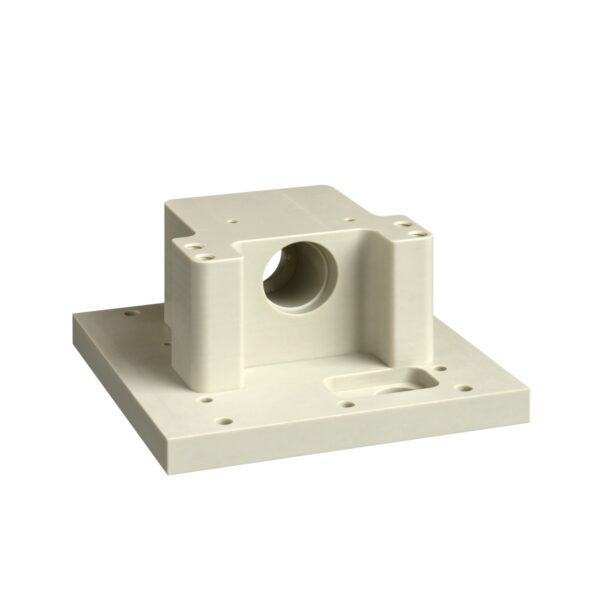
PA material, polyamide, or commonly referred to as nylon, is available as a semi-finished product for machining in the form of sheets, rods, and hollow rods. PA is often represented by numbers such as 4.6, 6, 6.6, and 12. These numbers refer to the molecular structure of the nylon polymer, and each type of structure will have different properties. The most common polyamide plastics are extruded Nylon 6, molded PA 6, and Nylon 66 (PA66). Polyamide can be processed in various ways, including turning and milling nylon, but also welding and gluing in some cases.
What is polyamide fabric?
In general, PA nylon is a semi-crystalline thermoplastic with low density and high thermal stability. Polyamides are among the most important and useful engineering thermoplastics due to their excellent wear resistance, good friction coefficient, and very good temperature and impact resistance.
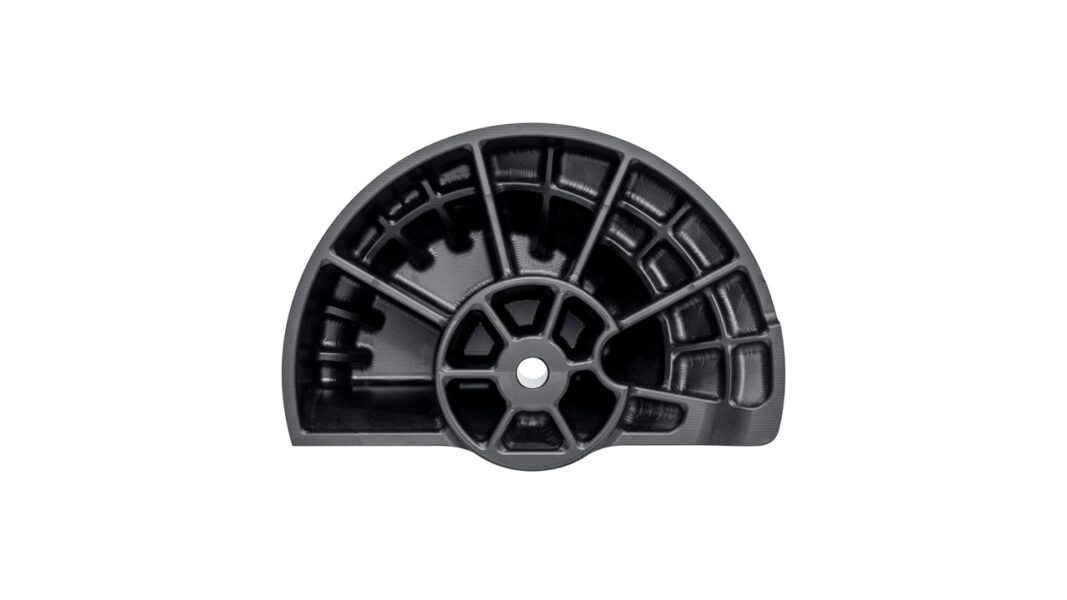
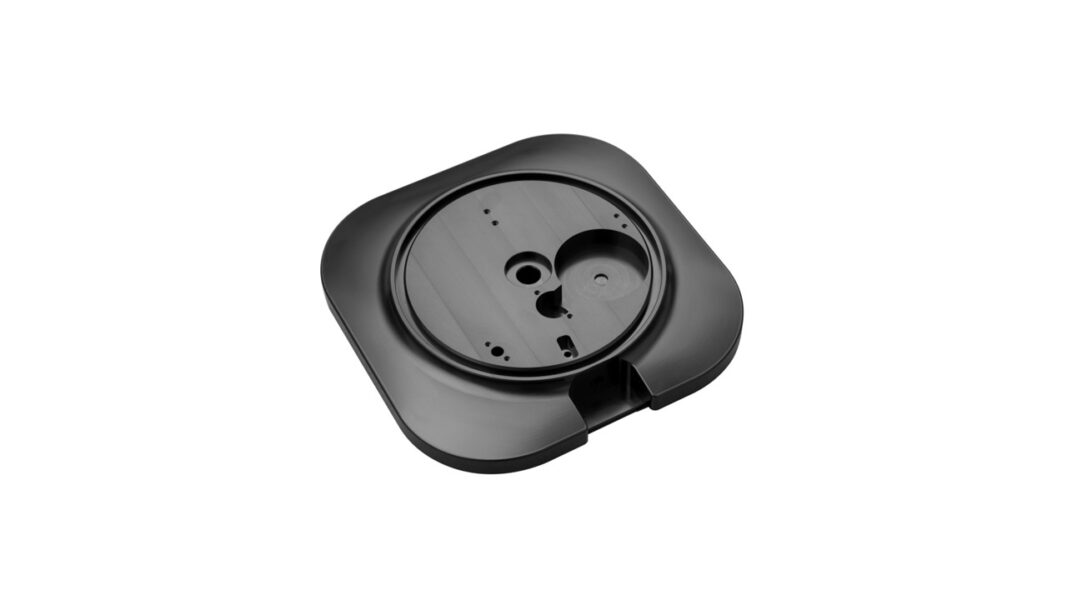
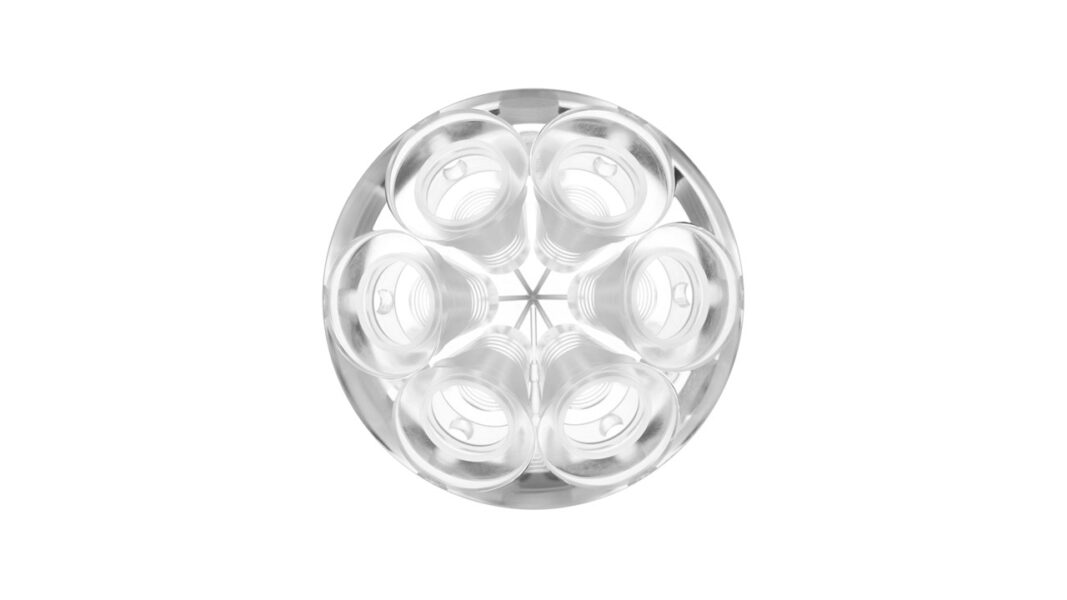
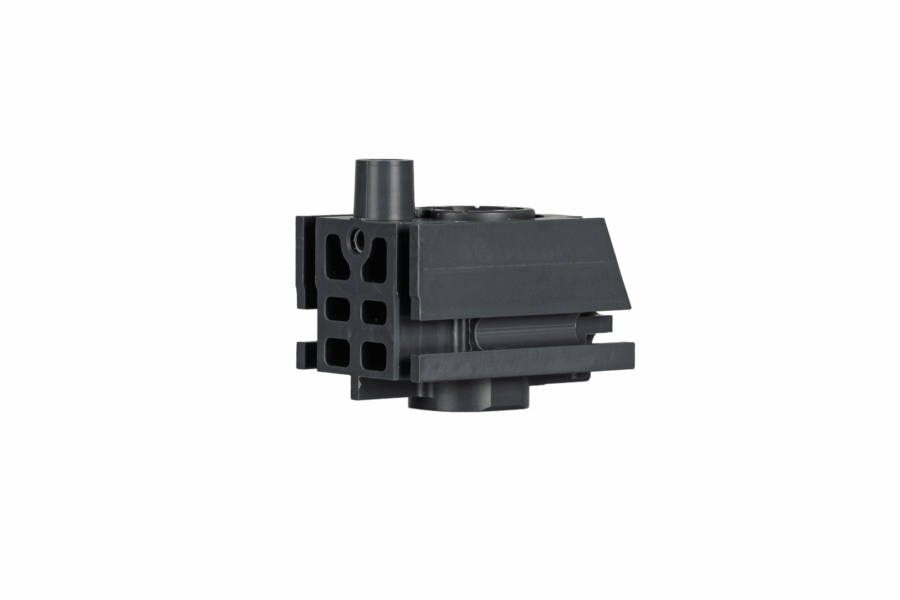
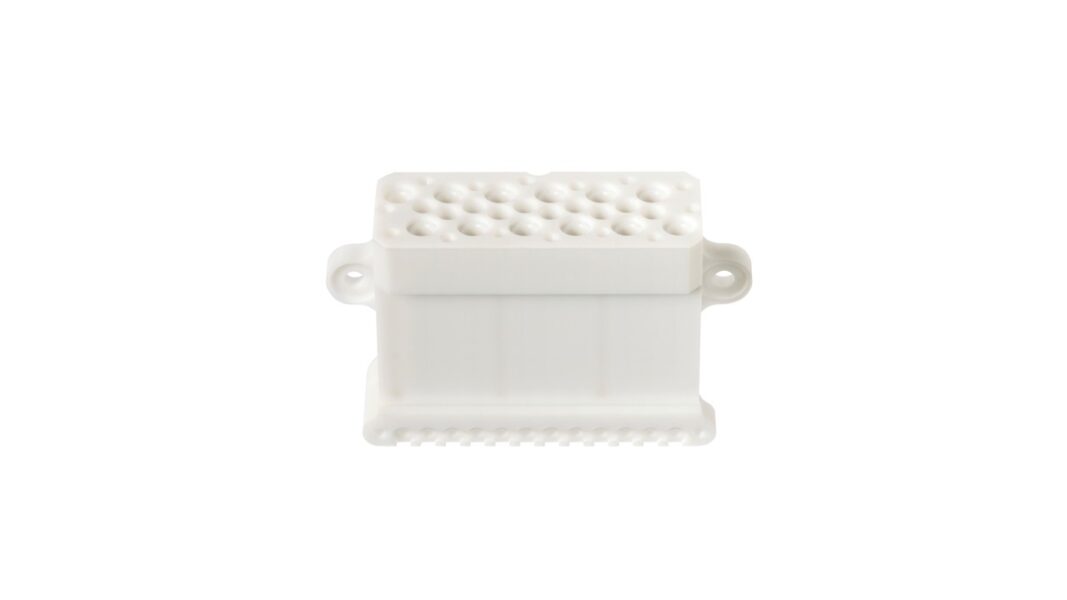
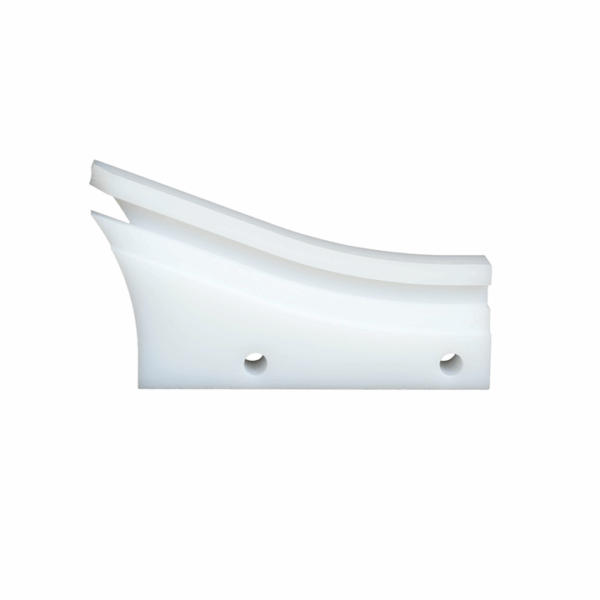
In addition, nylon polyamide has very good chemical resistance and is a particularly oil-resistant plastic. This excellent balance of properties makes the PA polymer an ideal material for metal replacement in various applications such as gears, cam discs, industrial valves, bearing cages, and other industrial applications.
Robust and flexible polyamide
Nylon plastic tends to absorb moisture and therefore has poorer dimensional stability than other engineering plastics. Turning nylon can be challenging due to its varying properties. Polyamide properties range from the hard and robust PA 6.6 to the soft and flexible PA 12. Depending on the type of PA, moisture absorption varies, which in turn affects the mechanical properties and thus also the dimensional stability of the machined end product.
In short, the higher the number after the PA, the lower the water absorption capacity and the better the dimensional stability. If lower moisture absorption and dimensional stability are desired, POM materials are often used.
In addition, there is a clear difference between nylon semi-finished products produced by extrusion and those produced by molding. Extrusion is used for smaller end products in larger series, while molding is usually used for larger parts with lower internal stress. When turning nylon, the way in which the material is manufactured must be taken into account in advance.
Extruded and molded nylon can both be modified by using fillers to improve certain properties.
Material properties of polyamide plastic
Polyamide plastic offers:
- Good chemical resistance.
- High wear resistance;
- High thermal stability;
- Very good strength and hardness;
- High mechanical damping properties;
- Good sliding properties;