
BKB Precision at the MTC 2026 – Groundbreaking innovations in precision plastic machining
The value of the MTC 2026 for the manufacturing industry
The MTC 2026 is more than just an exhibition; it is a meeting point for the latest technologies, trends and solutions that take the manufacturing industry to the next level. It offers a unique opportunity to discover the latest innovations in technology and manufacturing processes, and to network with experts and professionals from various sectors.
We will also be present again this year to present the groundbreaking innovations of the past year. It is the perfect opportunity to showcase our expertise and further strengthen our position as pioneers in plastic machining.
Discover the latest technologies from BKB Precision
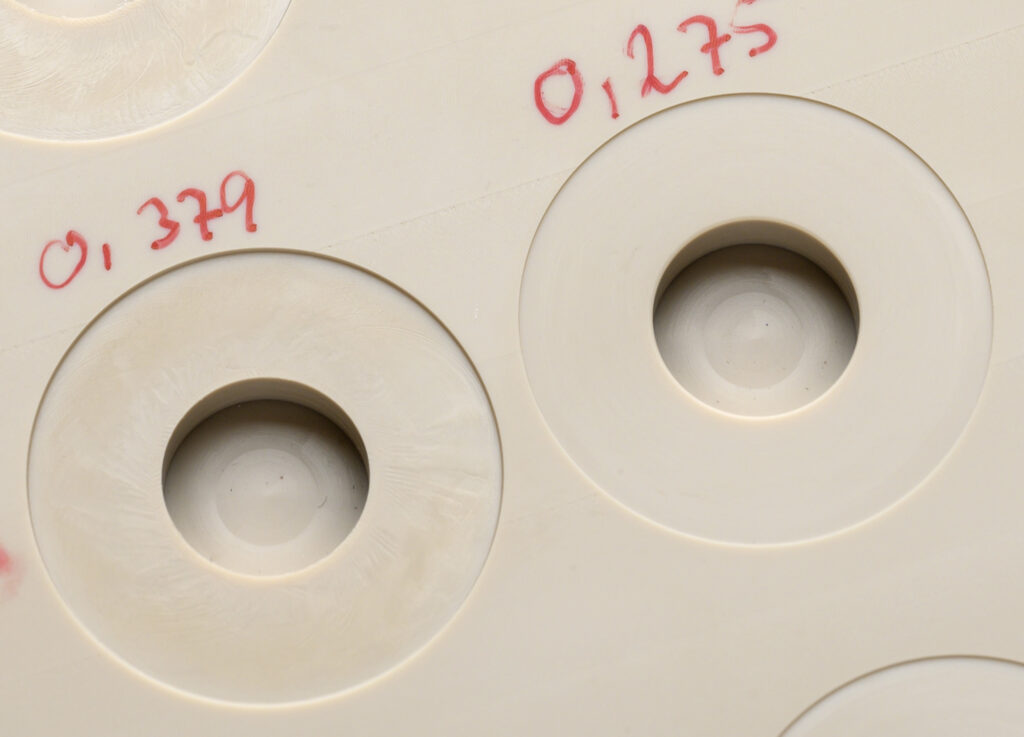
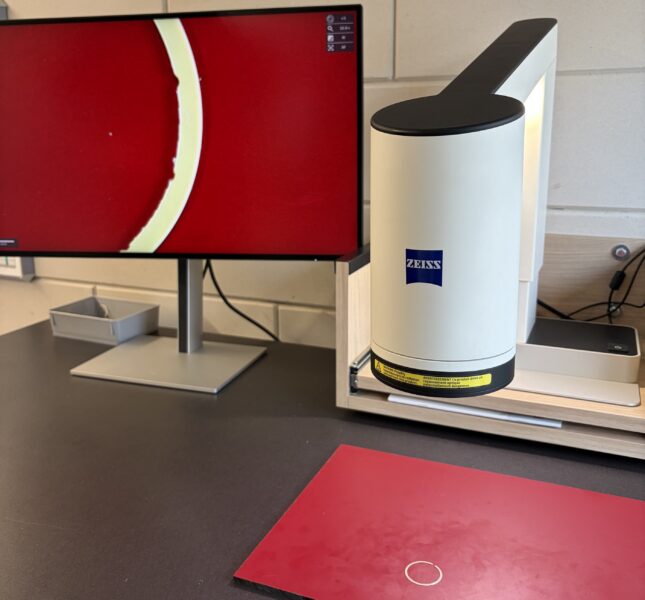
At the show, we will present some of our latest technologies that are taking plastics processing to new heights. For example, we will show an innovative bonding technique using plasma treatment of plastics, we will demonstrate how we mill additive manufacturing products with extreme precision and, finally, we will share a tool we developed ourselves with which we have been able to reduce the RA value of C-surfaces by as much as 50%.
These new techniques are helping to significantly improve the finish quality of plastic products. We remain constantly committed to innovation, developing new techniques to continue to deliver the highest quality and provide our customers with optimal support for their challenges.
Are you curious about these innovations and unable to come to the Manufacturing Technology Conference? Then contact us, we would be happy to explain these techniques to you!
Visit BKB Precision at the MTC
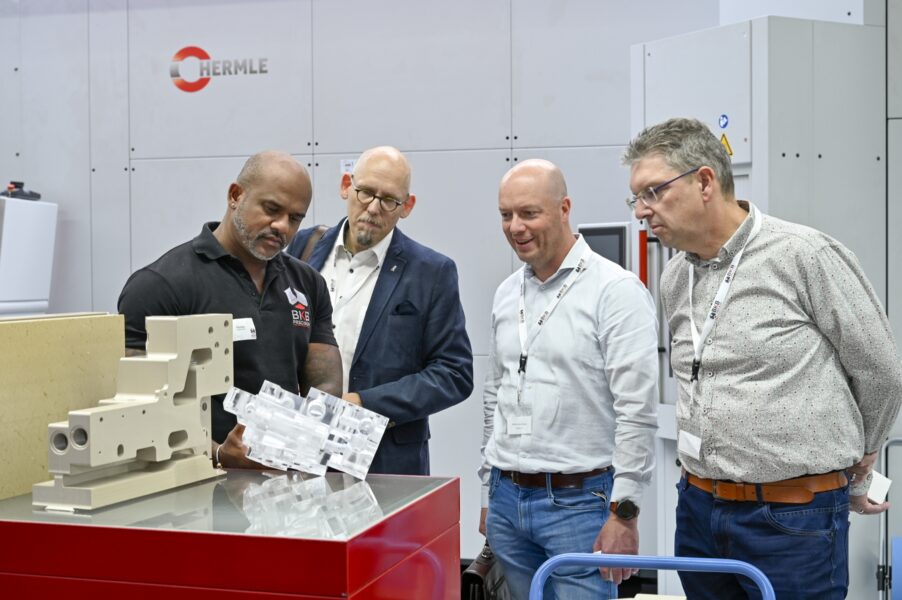
On April 23, BKB Precision can be found at the Manufacturing Technology Conference 2025, which takes place at the Conference Centre Koningshof in Veldhoven. The exhibition is free for visitors with prior registration. Please use the link below to register your free entrance ticket. We look forward to meeting you there!


Need advice or more information?
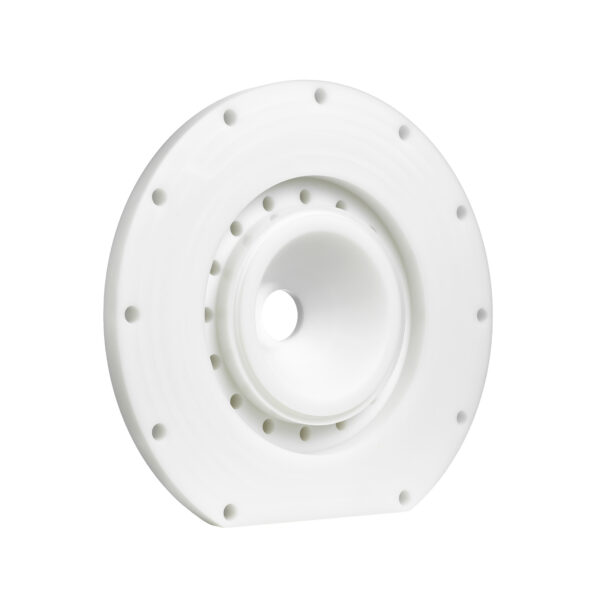
BKB Precision Group as a partner in complex flywheel technology for the defense sector
The role of flywheel technology in high-end energy storage
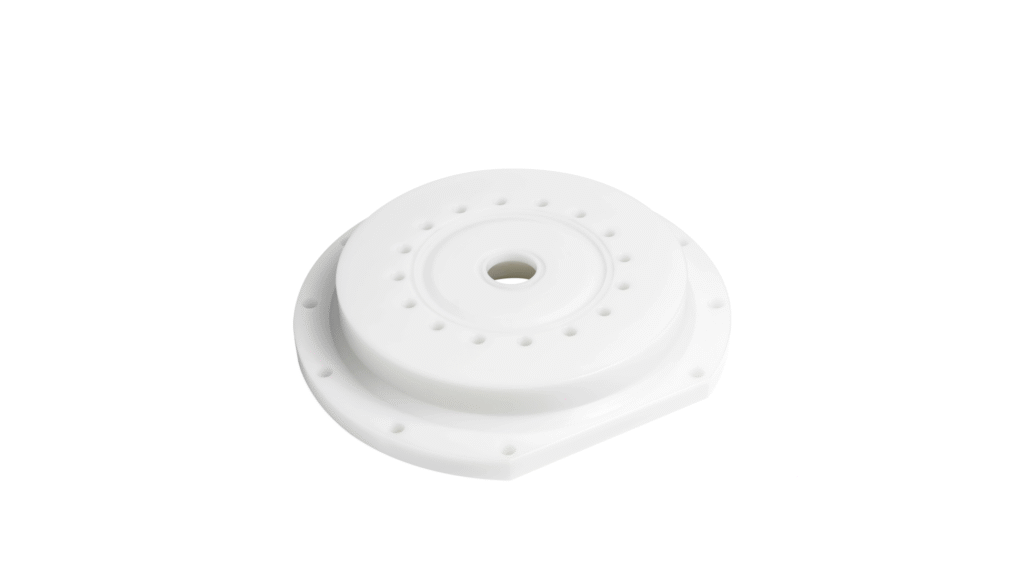
For high-end applications in energy storage, Quinteq develops flywheel-based systems that combine performance and safety. A flywheel is a kinetic battery that uses a spinning rotor to store and deliver energy, ideal for applications that require instantaneous power delivery, from milliseconds to several minutes. The flywheel can reduce peak power demands by up to 80%.
Precision plays a key role in these systems: small deviations can have a major impact on performance and reliability. In this context, precision and reliability are inextricably linked to the success of the overall solution.
A technical challenge with no standard solution
This application has strict requirements in terms of dimensions, reproducibility, and mechanical stability. It involves a component where deviations directly affect the performance of the entire system.
It is precisely this combination of complexity and precision that fits seamlessly with the expertise of BKB Precision Group. Curious about what we can do for you within the defense industry?
From specification to realization
Within this project, BKB Precision Group played a key role in translating complex requirements into a reproducible and reliable product. The collaboration with Quinteq was characterized by short lines of communication and technical coordination. With the successful first deliveries, an important milestone has been reached.
Quinteq agrees: “BKB Precision Group understands the complexity of our systems and supplies components with the precision and reliability that are crucial for our critical applications. The collaboration is running smoothly and strengthens confidence in every phase of the project.”
The power of effective collaboration
The collaboration with Quinteq underscores the role of BKB Precision Group as a partner in complex, high-end projects for customers in the defense industry. Both parties look back on the first phase with confidence and see it as a solid foundation for further collaboration in future developments. Curious to learn why BKB Precision Group is the ideal partner for high-quality plastic solutions in the defense industry?
Need advice or more information?

BKB Precision and ERIKS join forces to reduce their carbon footprint
Strong cooperation as the basis for sustainable steps
Strong collaboration is the key to progress. This has been the case for 35 years in our collaboration with ERIKS, which has developed into a close partnership centered on flexibility and innovation. Thanks to open communication and a shared focus on quality and efficiency, we continue to challenge each other to improve further. This same collaboration has now led to an important decision that will not only benefit our efficiency but also have a positive impact on the future.
The sustainable initiative of BKB Precision and ERIKS in action
In a joint effort, we and ERIKS decided to replace cardboard boxes with reusable crates, which not only reduces packaging waste but also improves logistics efficiency. This choice results in a saving of 2,500 packages per year, which reduces both costs and CO2 emissions. The initiative is a good example of how smart collaboration and forward thinking can lead to concrete improvements with a positive impact on the future.


Sustainable choices in practice
According to Tineke Metzemaekers, Tactical Purchaser at BKB Precision, the collaboration with ERIKS has always focused on innovation and efficiency: “This initiative is perfectly in line with our values. It is a strategic choice that offers both short-term and long-term benefits for both the operation and the environment.”
Han Reker, Application Engineer at ERIKS, adds: “It’s great to see how our long-term collaboration is now having such a direct and lasting impact. This step is not only good for the environment, but also contributes to our joint efficiency improvement and deepens our relationship.”
Need advice or more information?
Innovation in plastics machining: BKB Precision introduces ultrasonic inserts placing
Ultrasonic insert placement
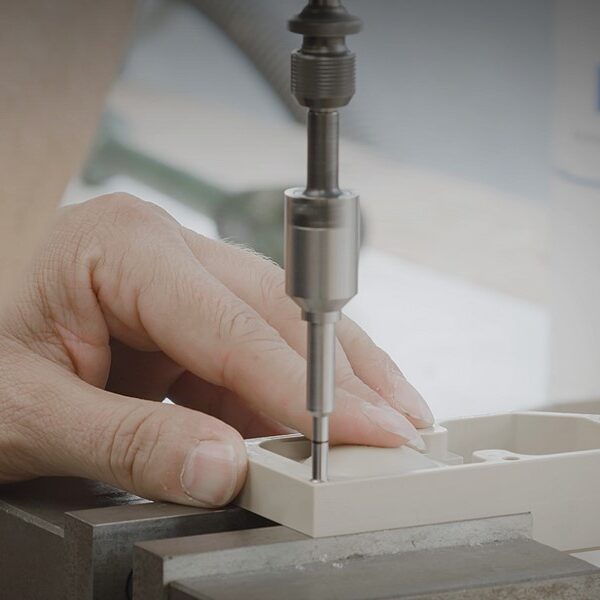
Ultrasonic inserts placement is an advanced technique that uses sound waves with a frequency as high as 20,000 megahertz or higher to integrate inserts into plastic products. These ultrasonic vibrations generate localized heat, which fuses the plastic material where the insert is inserted. This anchors it quickly and securely without the need for additional threading or bonding.
Ultrasonic insert placement has many advantages over normal insert placement. The biggest advantage is that this technique allows inserts to be placed in plastic products with thin wall thicknesses, a process that is often difficult or risky with traditional methods because of the risk of cracking or deformation. In addition, the results are more consistent and reliable, contributing to the overall quality and strength of the final product.
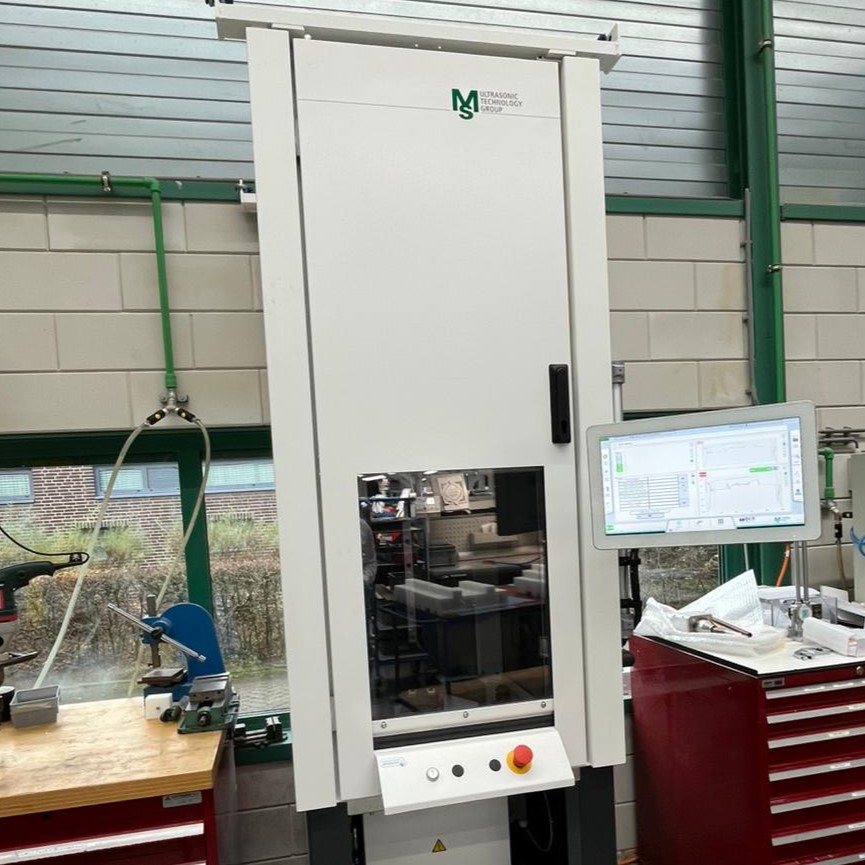
Nexus Ultrasonic Servo Welding machine
The Nexus Ultrasonic Servo Welding machine allows us to place inserts with unprecedented precision and reliability. With features such as advanced control over pressure, temperature and positioning, this machine offers consistency and quality even with complex designs and thin wall thicknesses. The benefits? Faster processing time, firm anchoring without material damage and a finished product that meets the highest standards for durability and performance.
Find out all about the benefits of ultrasonic insert placement
At BKB Precision, we are happy to share our knowledge and experience about the new ultrasonic inserts placement technique. Whether you are working with thin plastic wall thicknesses or looking for a more efficient way to place inserts, this new technology can add significant value to your products. Contact us to find out what we can do for your specific project.
Need advice or more information?
Lowering the RA value of circular sealing surfaces
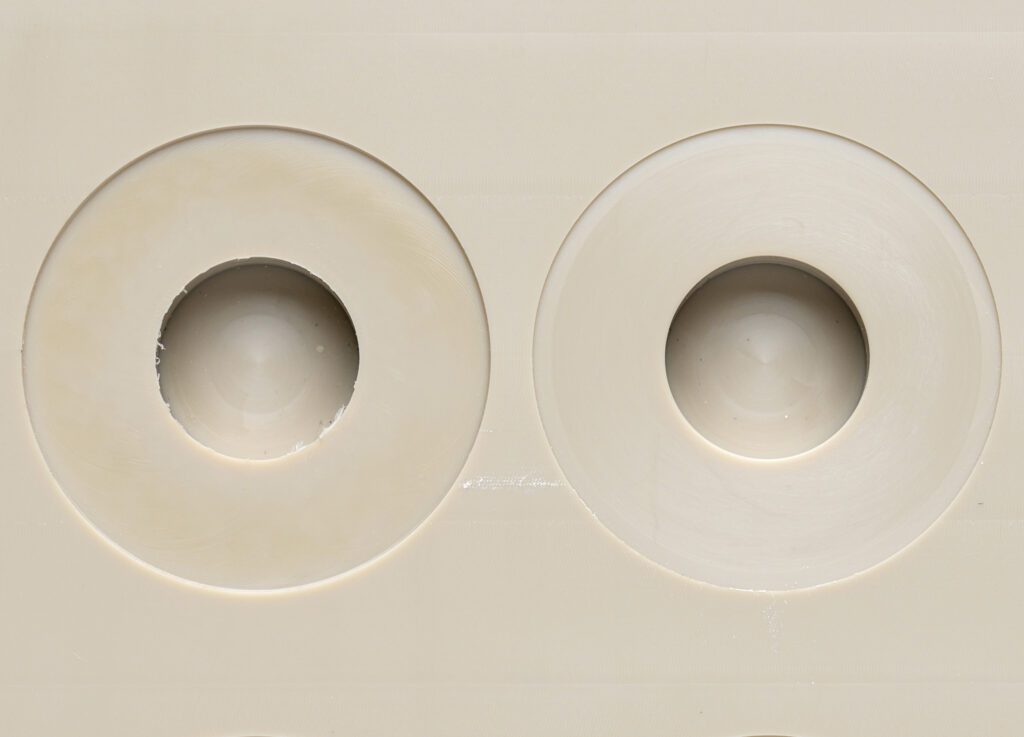
The problem
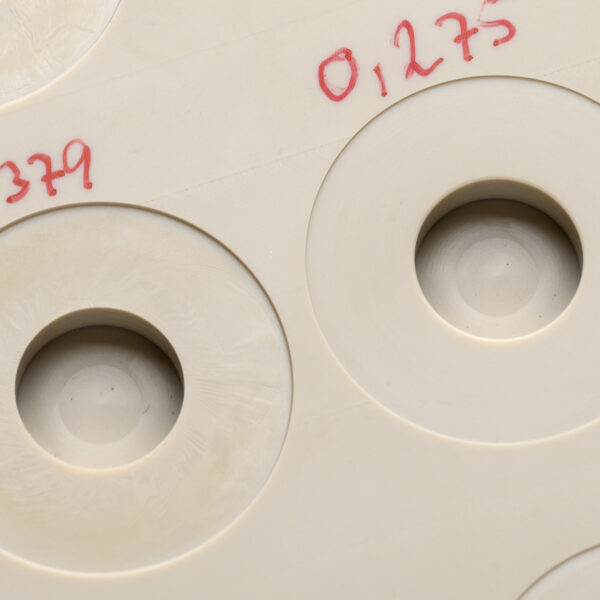
To prevent leakage when fitting O-rings, it is essential to keep the surface roughness (RA value) as low as possible. We recently started a pilot project with a customer to further reduce this RA value and minimize the risk of scratching, so that the sealing surfaces of the O-rings are guaranteed to remain leak-free.
The challenge here is that during milling, the tool inevitably comes to a stop on the product, which can result in a slightly higher RA value or small scratches on the sealing surface, which can cause leakage. At BKB Precision, however, we don’t shy away from any challenge. We have been fully committed to making this improvement possible.
The circular sealing surfaces
We performed several tests to reduce the RA value, and successfully. First, we milled the sealing plane with a C router, then machined the surface with a custom-made brushing tool in the machine. This left the dimensions unchanged, while significantly reducing the RA value.
Whereas before we had to do a lot of sanding to meet strict RA values, we have now automated this process which brings several advantages. For example, we have been able to reduce RA values by 50% and increase the guarantee of leak-free circular sealing surfaces. In addition, this new technique is more cost-effective, reliable and time-saving. Whereas we used to spend 4-5 minutes meeting the RA values of one sealing plane, this automation means we are down to 22 seconds.
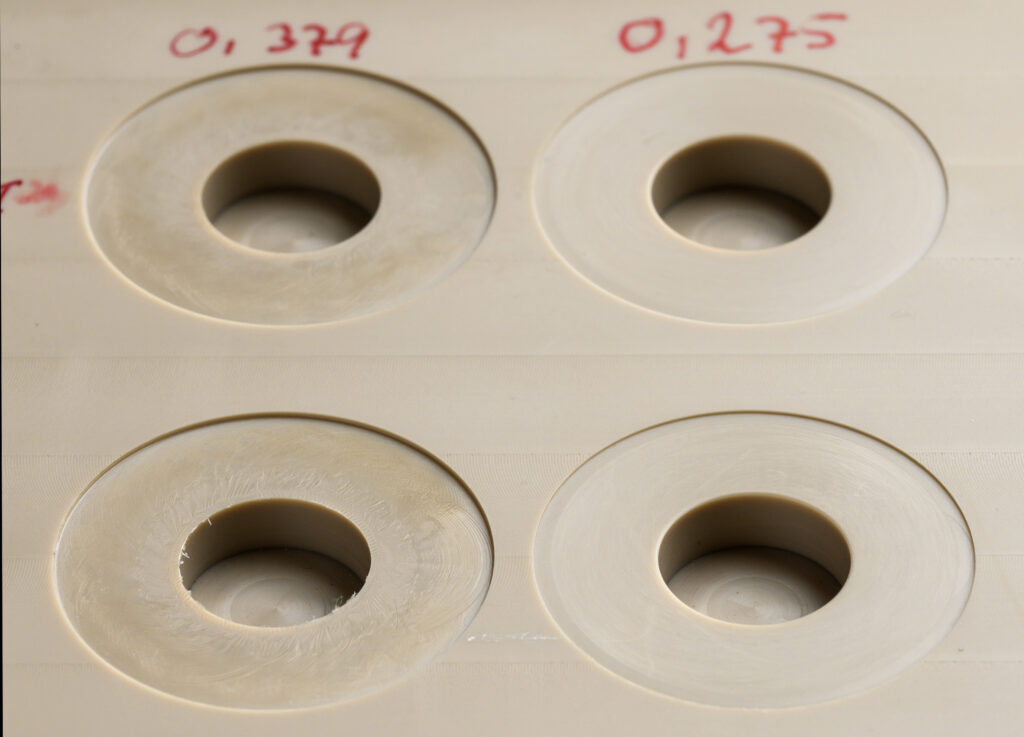
So what makes this so complicated?
After extensive testing, measuring, consultation and feedback, we managed to overcome this challenge. With the knowledge and expertise we have in the field of plastics machining, we have developed a completely new technique and associated tools to make this pilot a success.
As a result, all of our customers will benefit from this new technique. The technique is applicable to all types of plastics and we will of course continue to work on optimizing this operation. From now on, this technique can be used for all C-faces that we will produce in the future.
Curious to learn more about this new machining method or what this means for you?
Wondering what this newly developed technique means for you? Or would you like to learn more about how this machining really works? We are happy to share our knowledge with you. Feel free to contact one of our specialists and we will be happy to help you.
Need advice or more information?
A new technique: Milling an additive manufacturing product
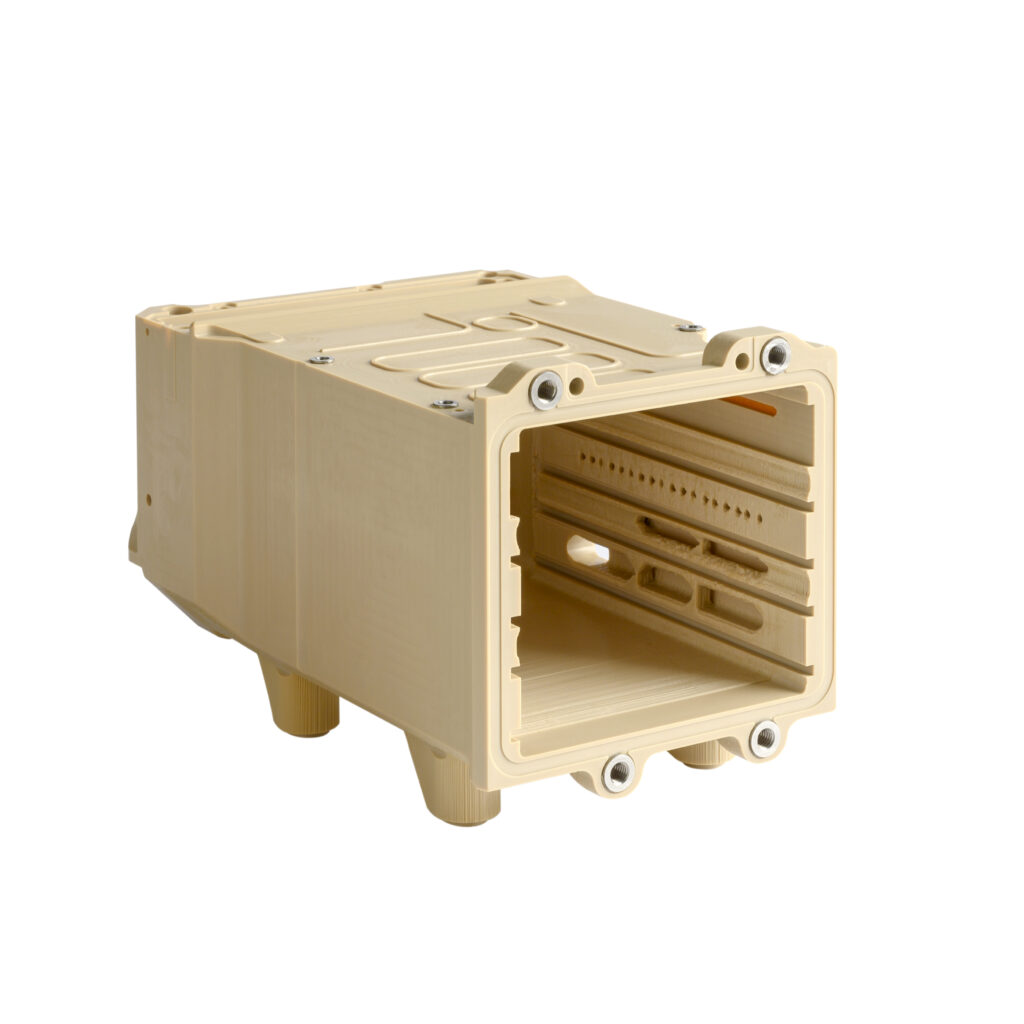
5-Axis milling of additive manufacturing products
About 2.5 years ago, we were approached by a customer asking if we could also manufacture a certain titanium product from PEEK (Polyetheretherketone), which initially seemed like an impossible task.
Such a development process often involves many challenges, where we have to push our limits and learn new skills. At BKB Precision, for example, we were faced for the first time with the task of post-processing a product produced by additive manufacturing using a 5-axis milling machine to meet very precise specifications.
Moreover, during this development process we also learned how to place inserts with a very high frequency (20,000 hertz) in a product, which contributes to better adhesion and can be essential due to thin wall thicknesses.
We have since worked with the customer to make this job a success and now produce several of these products every year.
The challenge of new technology
One challenge when turning or milling a 3D-printed product is that not all products have exactly the same dimensions. This leads to tight tolerances, especially when some parts are a millimeter or even a tenth of a millimeter longer or shorter. Normally we would then mill off that millimeter, but in this case that is not possible because it would make the interfaces too thin.
Nevertheless, at BKB Precision we managed to find a method to accurately post-machine 3D printed products so that they meet the specifications provided by the customer.
Unique collaboration
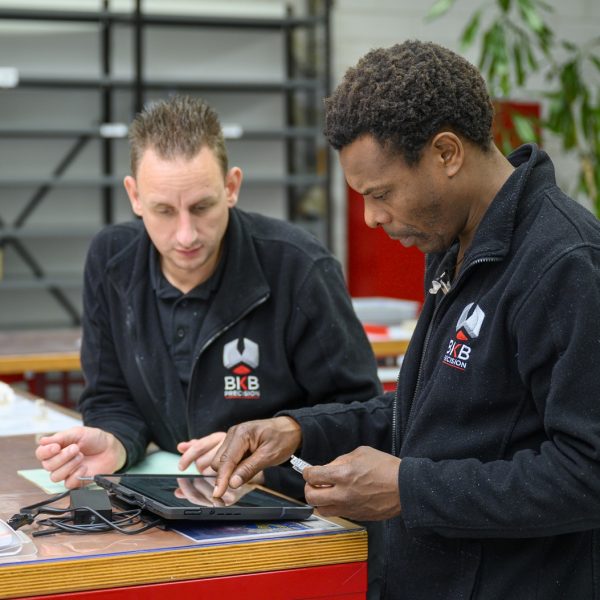
Within BKB Precision, we take short lines of communication, transparency, openness and honesty for granted, a culture that also suits the participants within this project. This collaborative culture ensures good communication, preventing obstacles and keeping development cycles short.
Because the product is already in use several times, more opportunities for improvement are still revealing themselves. The search for achieving the optimum of this product translates into changes in the specifications. BKB Precision makes every effort within the project to adopt those changes and translate them into the right machining strategies. With the ultimate goal of delivering a unique and relevant part for the right application.
Need advice or more information?
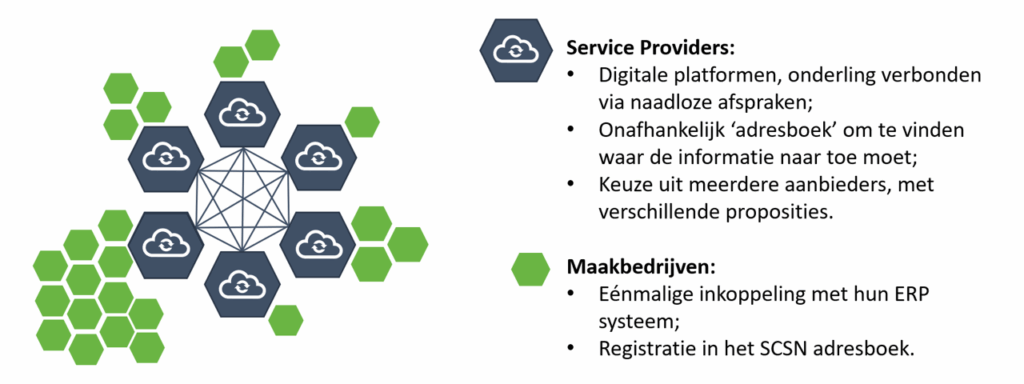
Data exchange in the supply chain
Smart Connected Supplier Network
SCSN focuses specifically on supply chains in the manufacturing industry. SCSN simplifies data sharing in the chain by enabling SCSN messages to be automatically processed in the ERP system of a connected company. It is the fastest-growing network for data exchange, facilitating faster and more reliable information exchange.
Communicating in the supply chain
In collaboration with Supply Drive and Scherpthe, we can now effortlessly and efficiently exchange data via SCSN. This collaboration opens doors to improved operational processes and increased productivity for all parties involved.
Onwards and upwards!
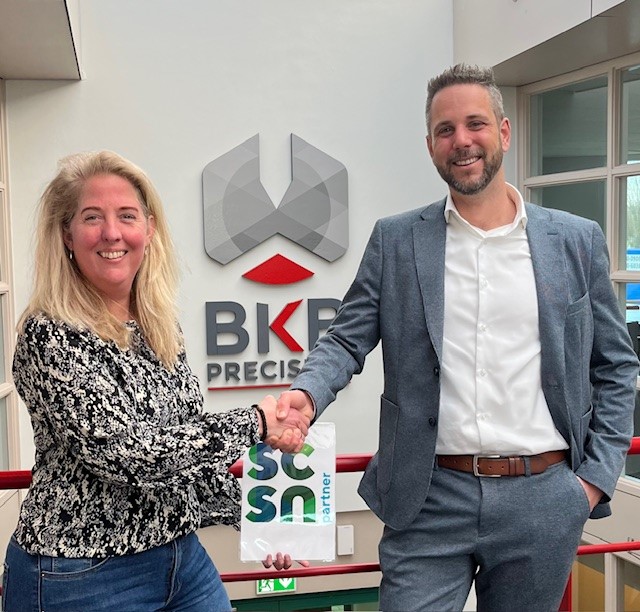
Our collaboration with ERIKS is an exceptionally successful case, and we are excited to expand such collaborations to multiple clients. Are you interested or already a member of SCSN? Feel free to contact us. Together, we can take further steps in the digitization process and enhance our collaboration even more!
Need advice or more information?
The Art of Precision in the Scientific Advancement of CERN
Nikhef
Nikhef is a collaboration between the institute organization NWO (Netherlands Organization for Scientific Research) and six universities in the Netherlands. The company’s goal is to lead Dutch experimental activities in (astro)particle physics, with the mission to study interactions and structure of all elementary particles at the smallest possible length scales and at the highest achievable energy. Mr. Mikkola adds that what’s admirable about Nikhef is that they not only have researchers but also technicians and engineers building the experiments.
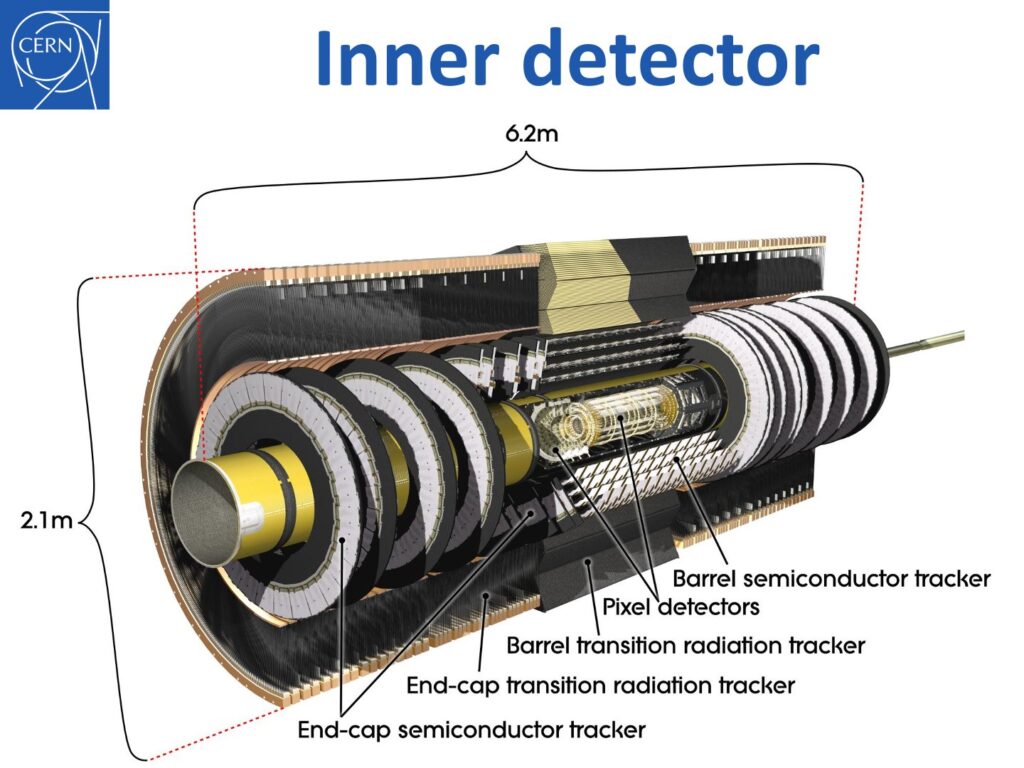
ITK detector Atlas
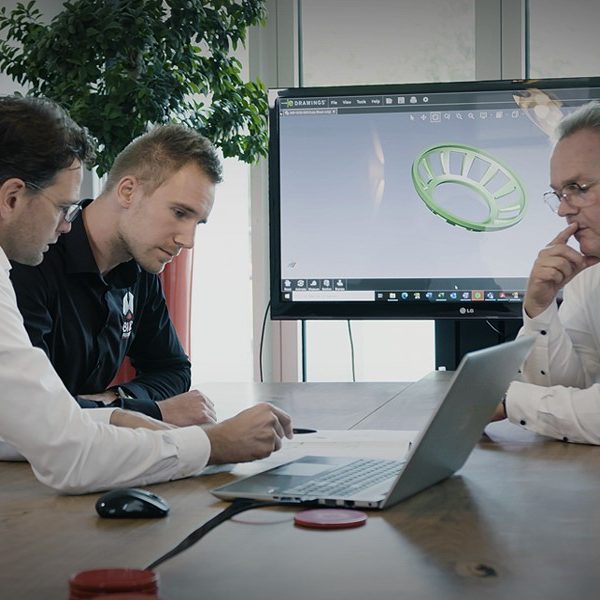
Since the 20th century, Nikhef has contributed to various experiments at CERN, including Alice, LHCB, and ATLAS. The ‘ATLAS’ experiment stands as one of the most complex and precise experiments to date. The ATLAS machine measures 44 meters in length and 25 meters in width, with Nikhef responsible for the operation of the ‘Inner Tracking Detector,’ measuring only 6.2 meters in length and 2.1 meters in width. Mr. Pool adds that the inner tracker constitutes an important piece of the puzzle, as their detector measures the direction, momentum, and charge of particles produced in the collisions. This crucial role is further illustrated in the drawings below of the ATLAS and the Inner Detector.
BKB Precision
Mr. Mikkola mentioned several reasons why BKB Precision was chosen to manufacture products for the ITK. “Expertise in high-performance plastics, effective communication, our visit to BKB Precision, and having our own cleanroom are some factors that convinced us to choose BKB Precision. The product produced by BKB Precision requires utmost precision and must meet strict specifications; otherwise, the functionality within the entire tracking process is at risk. BKB Precision embraced this challenge and demonstrated a prompt response to improvements, actively seeking suitable solutions.” As is often the case at BKB Precision, we initially manufactured the product from PMMA to ensure proper flow and alignment of the holes.
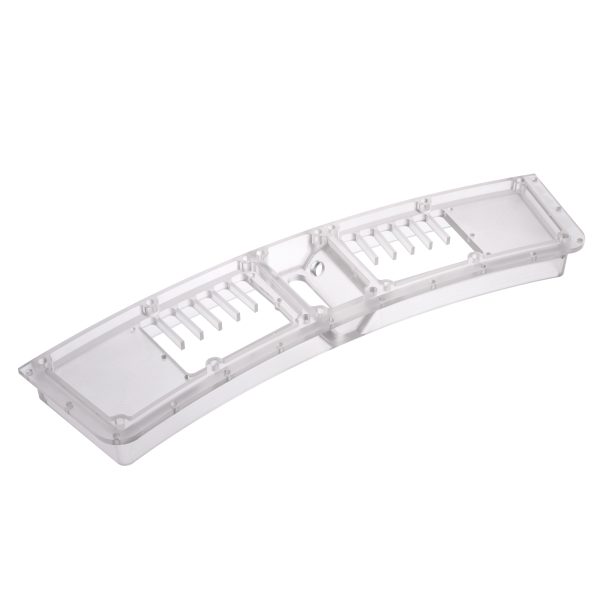
The products we manufacture at BKB Precision for Nikhef are part of a composition for facilitating the passage of a multitude of cables for the Inner Tracker Strip End Cap. The greatest challenge lies in the precise finishing of various components, where we must strive for perfection in flatness, roughness, tolerance, and dimensions. All products are machined using 5-axis technology and vary in size from 40mm to approximately 560mm.
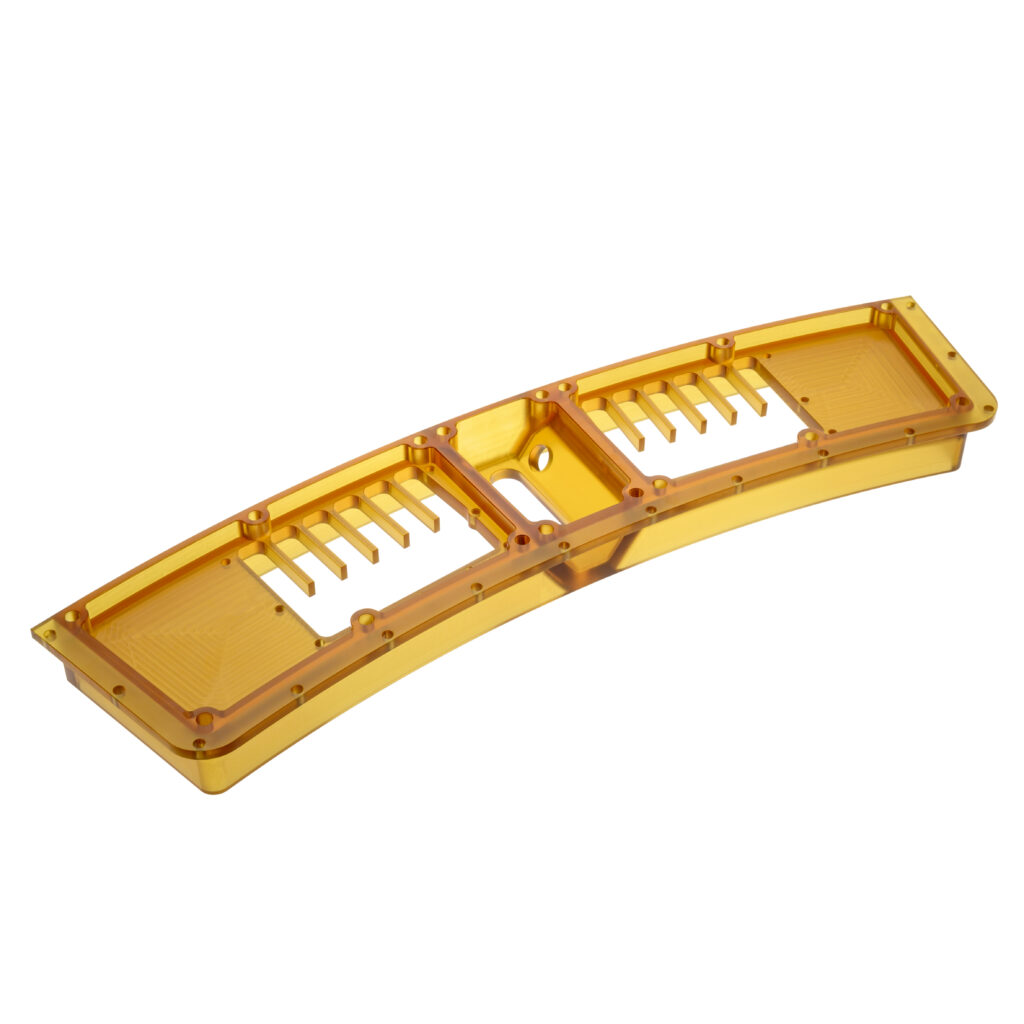
The production of the ITK Strip end cap for Cern
Delivering a product like the ITK Strip end cap to CERN is definitely no easy task. Various factors must be taken into account, including radiation levels, magnetic fields, and the limited underground space. Additionally, there is the challenge that the product must function correctly from the outset, and final testing can only occur after installation. Quality and precision thus play a crucial role, as errors are not tolerated. Nikhef strives to ensure this by collaborating with partners who communicate clearly, can guarantee quality, and conduct thorough checks. In short, a partnership with a collaborator like BKB Precision is essential.
Need advice or more information?
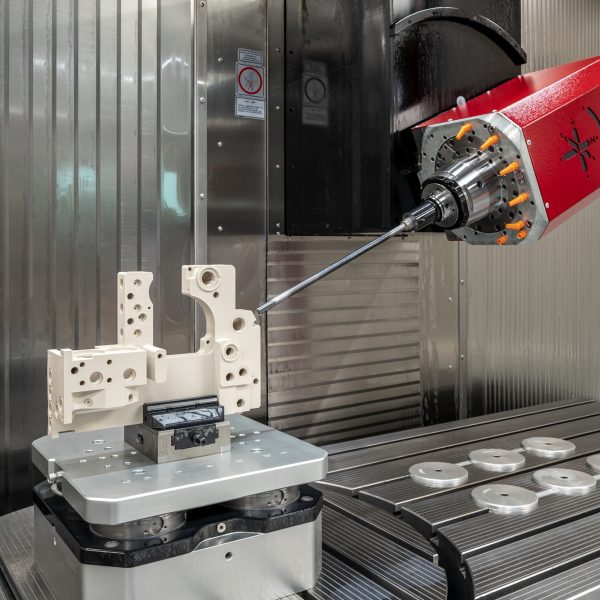
BKB Precision Approved Supplier of PAL-V
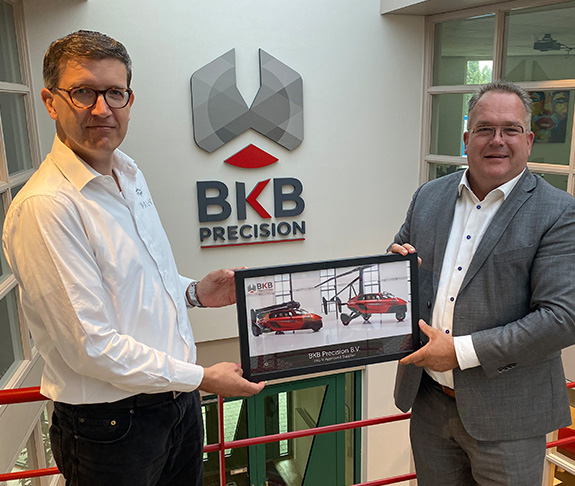
Great reward
Account Director Berrie van de Burgt recently received a nice certificate. Both parties are therefore looking forward to taking further steps together in the high-tech (manufacturing) industry in the future.
Need advice or more information?
What is thermoplastic? Examples and applications of thermoplastics
What are thermoplastics?
Thermoplastic is known for its flexible, pliable properties. This is due to the molecular structure of the material.
Thermoplastics consist of a long series of molecules, also called polymers. In their solid form, these chains of molecules lie against each other. However, when the polymers are heated, they become agitated and slide past each other, making the material pliable or even fluid.
A thermoplastic can therefore be easily bent or moulded into any desired shape. This makes the material highly suitable for injection moulding, although most thermoplastic materials are also available in sheet or semi-finished products.
Moreover, because thermoplastic can be reheated for short periods several times, it can be easily recycled and is therefore a type of sustainable plastic.
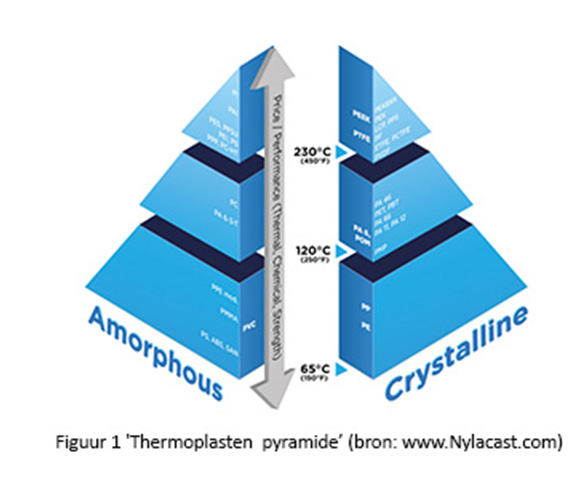
Thermoplastics can be subdivided into clear groups. This is also known as the ‘thermoplastic pyramid’ and is shown in figure 1. The triangle shows three layers, from bottom to top: standard plastics, technical plastics, and high-performance plastics.
Plastic PET bottles, packaging film and PVC tubes are well-known examples of thermoplastics. But many thermoplastics can also be used for industrial applications. POM is a frequently used material for mechanical applications. It is very good in the average range of properties, which makes it highly versatile.
However, nowadays PEEK plastic (polyether ether ketone) is increasingly used for many high-performance applications.
Thermoplastic application possibilities
PEEK plastics adhere to higher requirements than standard or technical plastics and can be machined very accurately, resulting in beautiful, high-quality parts with smooth surfaces. The technical properties of this type of thermoplastic include:
- Very strong and durable material
- Extremely good tensile and flexible strength with varying loads
- Low friction coefficient
- Good dimensional stability at high temperatures of up to 300°C
- Excellent chemical resistance
- Excellent hydraulic resistance
- Resistant to energy-rich radiation
- Self-extinguishing, according to UL94
- Low smoke and gas emissions
- Sterilisable
- Density of 1.32 g/cm³
As a result, this material is frequently used in the semiconductor, medical and pharmaceutical industries.
Types of thermoplastics
Thermoplastics can be subdivided into clear groups. This is also known as the ‘thermoplastic pyramid’ and is shown in figure 1. The triangle shows three layers: standard plastics, technical plastics, and high-performance plastics – these are at the top. As you can see, there are several differences within the groups of thermoplastics in terms of properties and application possibilities.
For example, some thermoplastics are highly suitable as material for the food industry because they meet specific requirements in the field of food safety. Other thermoplastics, such as PI (polyimide), have a high melting point and possess an intrinsic purity. This type of plastic is frequently used for high purity applications in the semicon and aerospace industries, and in primary research (CERN).
High-quality, high-performance thermoplastics can also be of great value in the chemical industry, including PPS and PTFE (Teflon). These thermoplastics are highly resistant to chemicals, acids and alkalis. PPS can also be found as components in braking systems, cooling systems, seals, and insulation applications.
Figure 1 ‘Thermoplastics pyramid’ (source: www.Nylacast.com)
Processing high-performance plastics such as thermoplastics
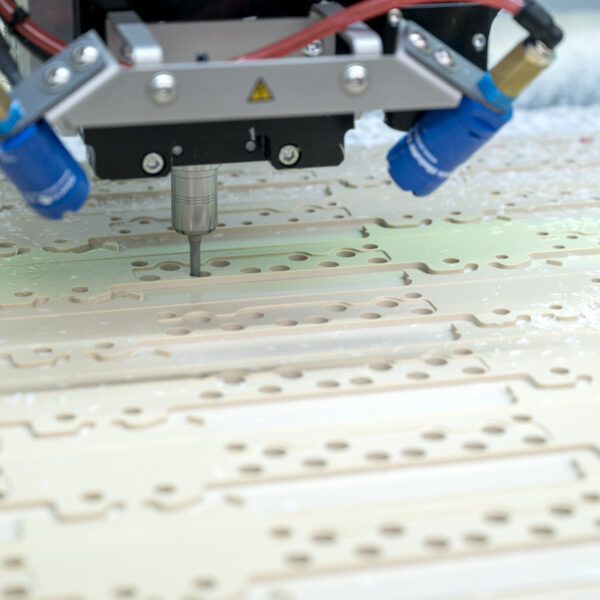
At BKB Precision, we have years of experience in the processing of high-performance plastics, including thermoplastics. When processing thermoplastics, we use state-of-the-art CNC machining and milling techniques, including 5-axis simultaneous milling.
Thanks to those years of experience, you can be confident that we will take care of the entire process from start to finish. We can provide you with extensive information and advice on what is and isn’t possible with the thermoplastic you require – all with one eye on the (product) specifications.